
Situatie
The global health IT market has taken a meteoric trajectory, growing from $94.5 billion in 2021 to an estimated
$172.3 billion by the end of 2026
The global healthcare technology community recently converged in Las Vegas for the HIMSS26 Global Health Conference & Exhibition, an event that marked a definitive turning point for the industry. With more than 24,000 leaders from over 90 countries in attendance, the four-day program signaled the end of the “pilot purgatory” era and the beginning of large-scale operational deployment for advanced technologies.
Solutie
The “Algorithm” for success

Jon McNeill, former President of Tesla
Images: HIMSS
The conference’s opening keynotes set a pragmatic tone, shifting the focus from technological potential to organizational discipline. Jon McNeill, former President of Tesla, introduced his “Algorithm” framework, arguing that healthcare transformation requires questioning every requirement and simplifying processes before introducing automation.
In a similar vein, Dr. John Halamka, President of Mayo Clinic Platform, pointedly removed the term “AI” from his slides to highlight that while technologies change, engineering principles like data liquidity and modularity remain constant. Halamka demonstrated that Mayo’s foundation of 10 million de-identified patient records is what makes their clinical tools trustworthy and scalable.
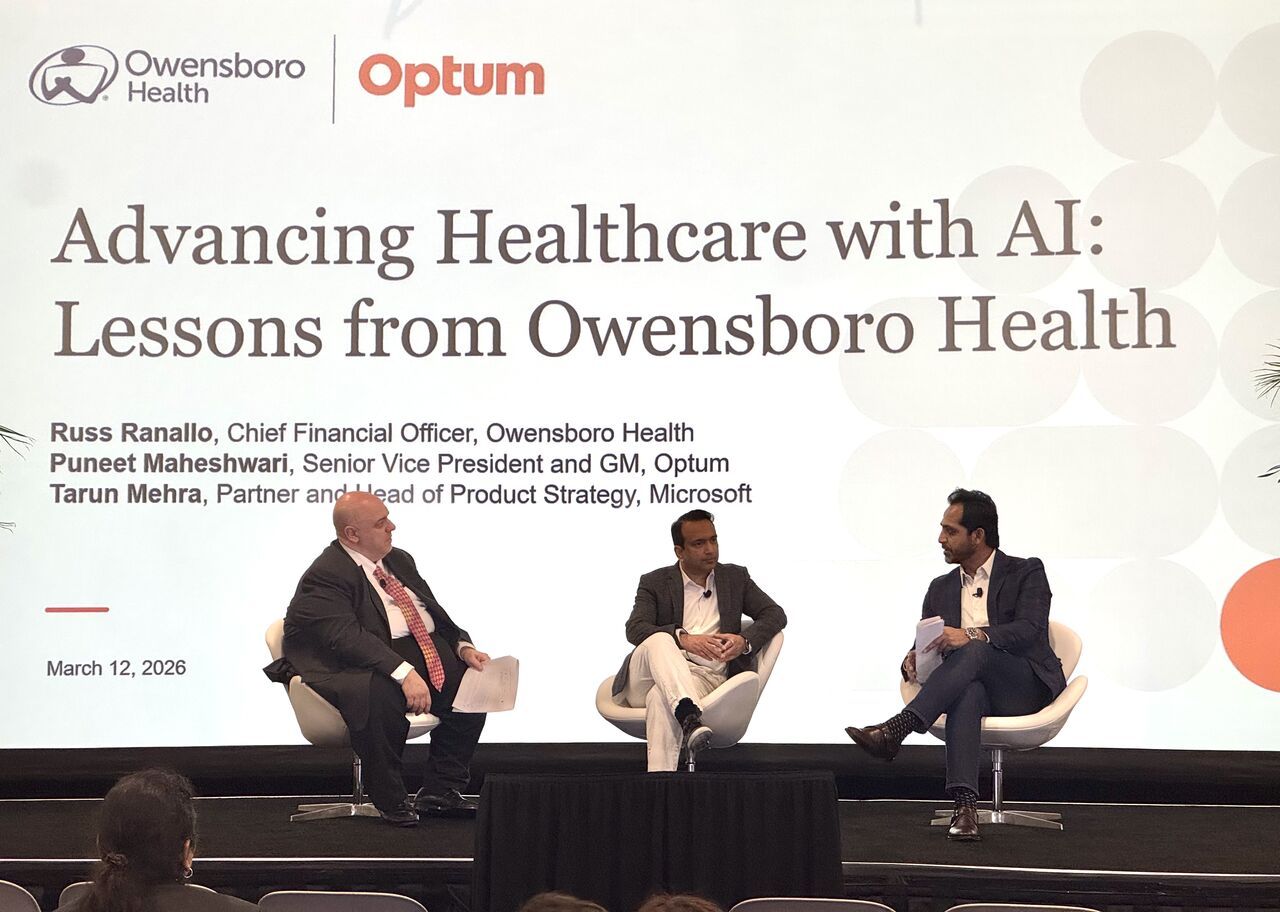
Puneet Maheshwari, Senior Vice President, Optum
Image: Puneet Maheshwari, LinkedIn
“Autonomous agents will become increasingly competent and widely used, being able to execute multi-step workflows on their own, from managing reimbursement processes to complex patient navigation.“
– Puneet Maheshwari
Human-centered innovation and “killing the clipboard”

Dr. Mehmet Oz
Image: Chief Healthcare Executive
Despite the high-tech focus, the human dimension of care remained central. CMS Administrator Dr. Mehmet Oz issued a bold call to “Kill the Clipboard,” advocating for a future where patients scan a QR code to instantly share their medical history, eliminating fragmented paper intake. He also proposed the use of agentic AI to help Medicare beneficiaries navigate complex health plans with the same ease as an online mortgage application.
The conference concluded with a powerful fireside chat featuring actor Jeremy Renner. Reflecting on his survival of a catastrophic 2023 accident, Renner highlighted the critical need for data liquidity in emergency situations, reminding the 24,000 professionals in the room that interoperability is a vital tool for human survival.

Jeremy Renner
Image: HIMSS
“I learned that strength is not just about enduring, but also about accepting help and choosing gratitude. Health is personal. It takes expertise, compassion, and teamwork to help people reclaim their lives.“
– Jeremy Renner
Cybersecurity as a strategic imperative
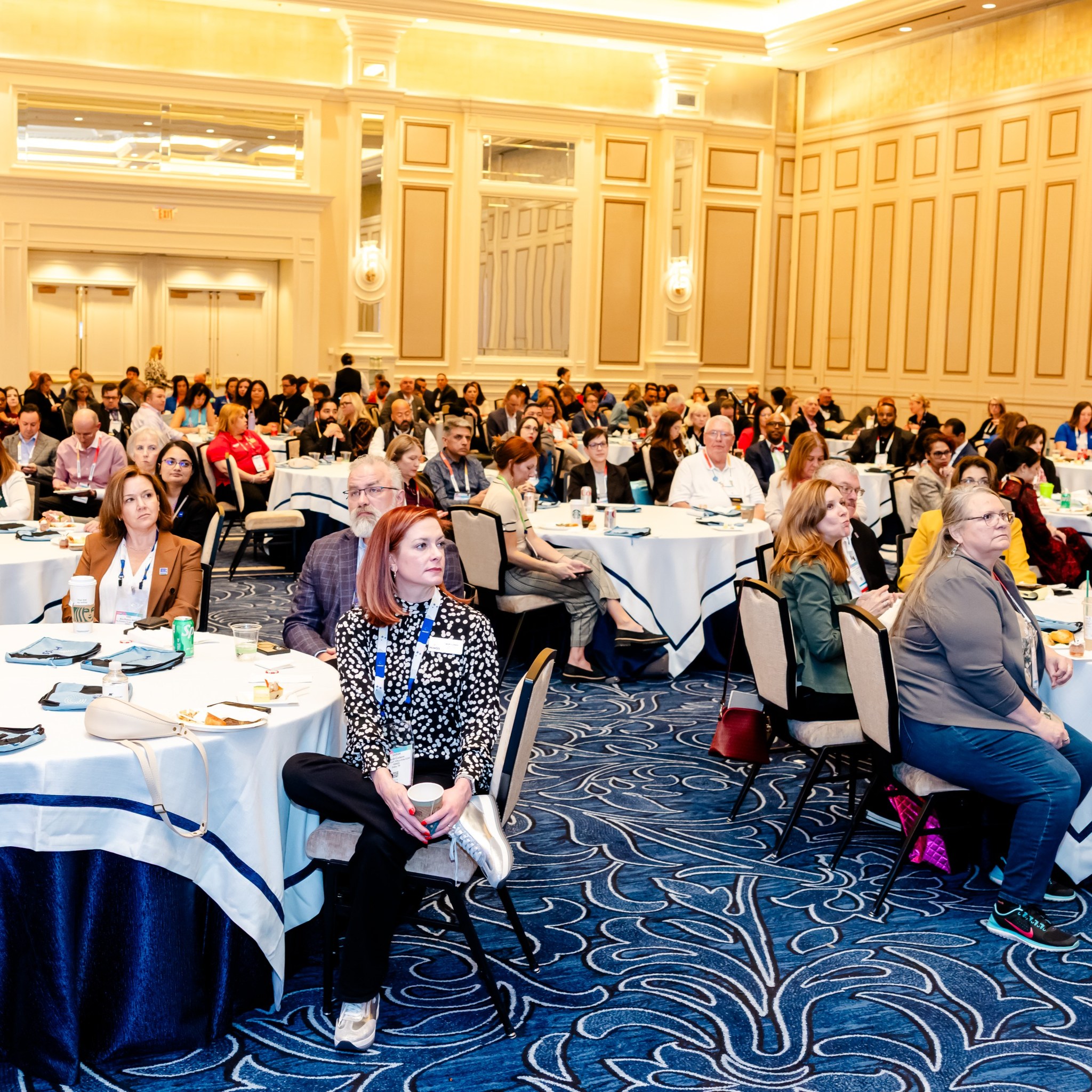
Image: HIMSS
The urgency of the cybersecurity conversation was underscored by a real-world illustration during the event:
a destructive cyberattack on Stryker that disrupted its manufacturing and shipping operations.
This incident reinforced a sobering report released at the conference finding that 94% of healthcare organizations have paid a ransom following a cyberattack. Leaders emphasized that cybersecurity is no longer just an IT concern but a fundamental patient safety issue.
Leave A Comment?