
Situatie
The Google I/O 2026 edition marked a historic turning point in technological evolution, signaling the definitive transition from reactive software to a world dominated by autonomous AI agents.
Under the slogan of an “agentic era,” Google demonstrated how its ecosystem of products, from search and Android to wearable hardware, is becoming a unified platform powered by the new Gemini 3.5 family of models.
Here are the most important moments and announcements that will redefine our interaction with technology in the coming years.
Solutie
Gemini 3.5 and the Multimodal Model Revolution

Images: Camille Cohen / AFP via Getty Image
The highlight of the conference was the launch of the Gemini 3.5 series, led by the Gemini 3.5 Flash model. It was presented as four times faster than competing frontier models, offering remarkable efficiency in complex programming tasks and real-time workflows.
The impact extends to Wear OS 7, which promises a 10% battery life improvement on the same hardware and a standardized workout tracking system. But behind these specs, the trust figures are low: a recent survey shows that only 11% of users find AI to be truly useful, while 51% are calling for stricter labeling. Google is responding with SynthID, a synthetic content tagging tool that has already been adopted by OpenAI and ElevenLabs, becoming an industry standard.
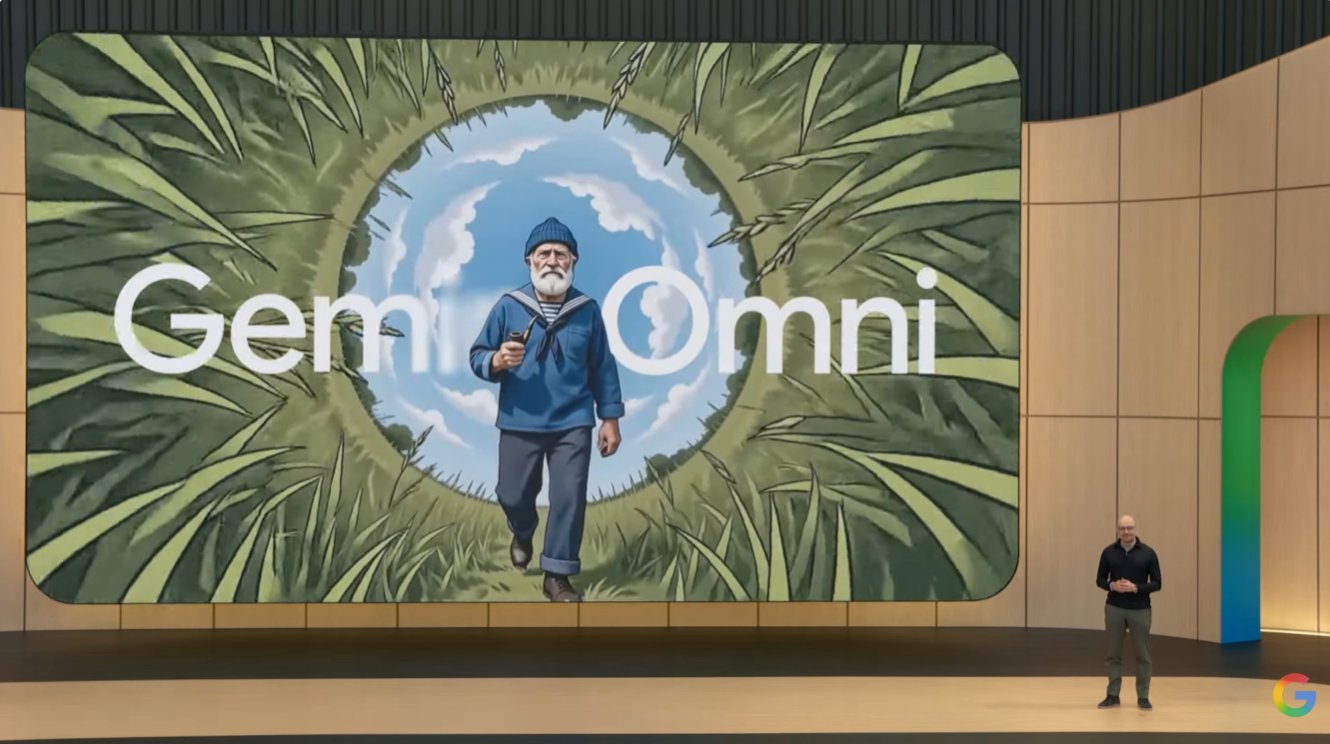
Gemini Omni – Demis Hassabis
Image: Google
Another major announcement was Gemini Omni, a native multimodal “world model.” Unlike previous systems that processed text, images, or sound separately, Omni combines them into a single system capable of generating and reasoning simultaneously based on any type of input. For example, users can edit videos using natural commands, adding special effects or changing characters (such as turning an actor into an animated figure) without affecting the dynamics of movement.
Gemini Spark: The agent who never sleeps
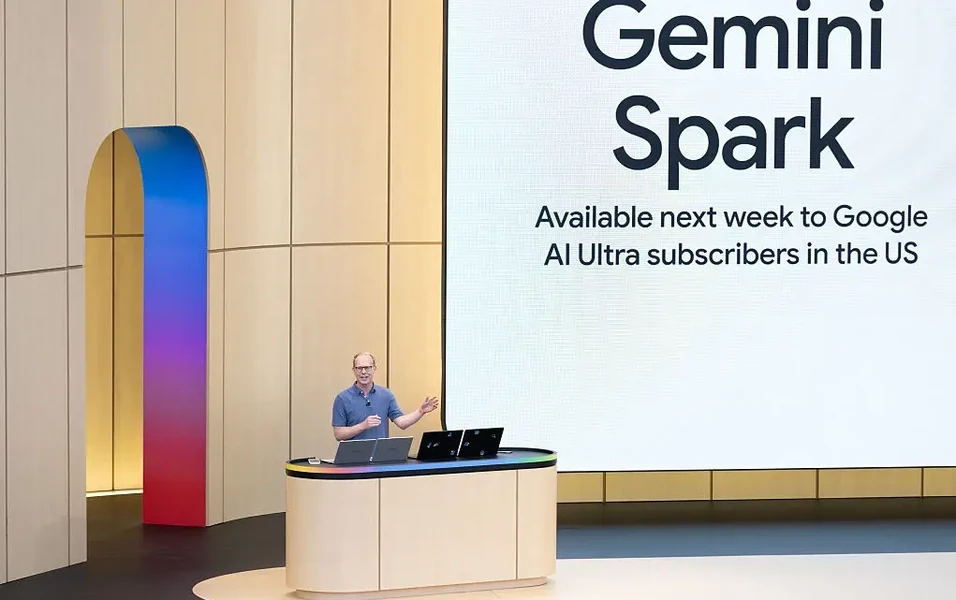
Gemini Spark
Image: MSN
Google introduced the concept of “always-on” agents, systems that work in the background even when the user is not active.
Gemini Spark is the new personal assistant capable of organizing your inbox, making restaurant reservations, planning vacations, or monitoring product stocks, all autonomously.
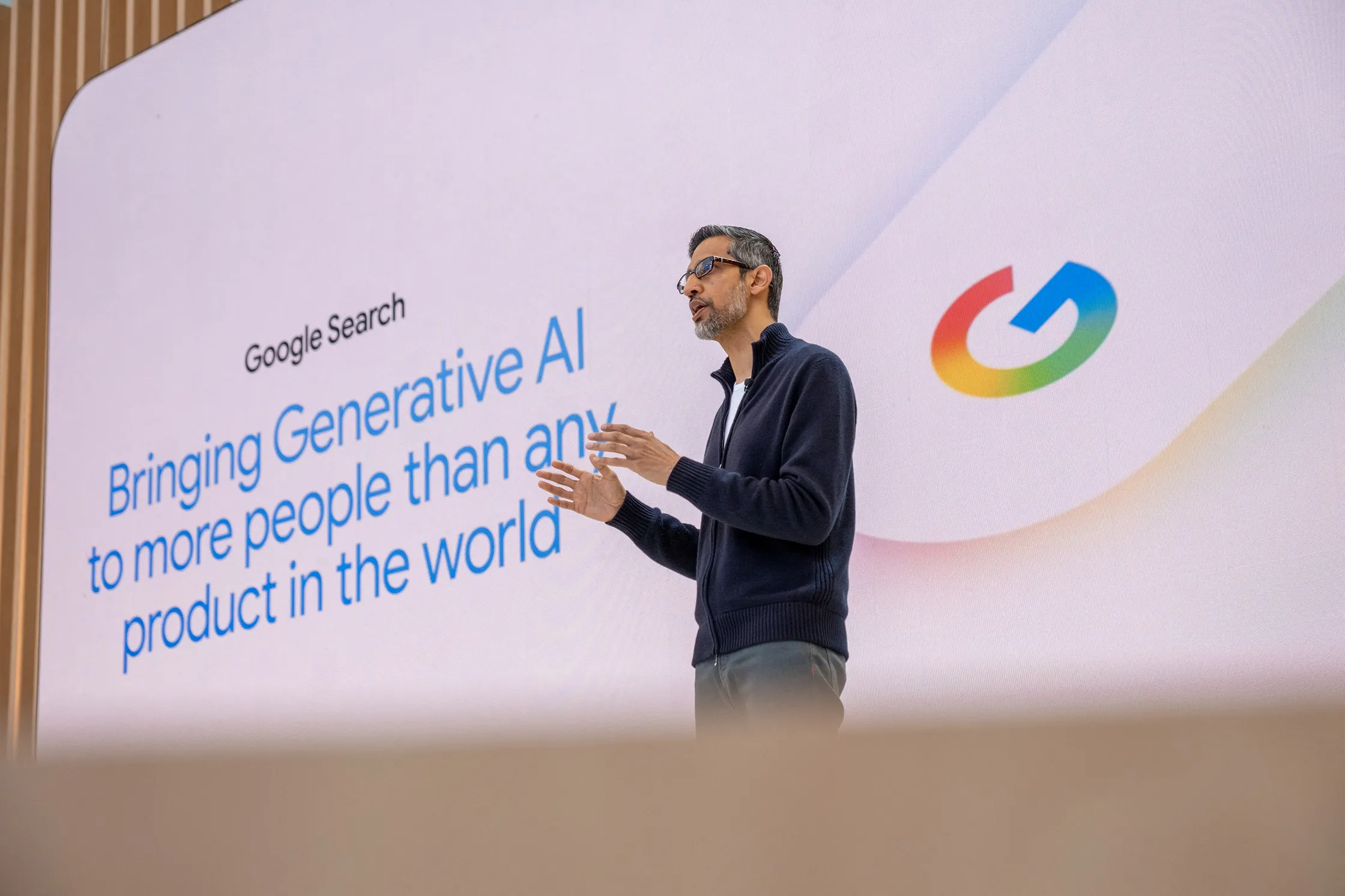
Image: Camille Cohen / AFP via Getty Image
Spark is designed to take on the “heavy lifting”: organizing chaotic inboxes, monitoring calendars, and executing complex tasks like booking a restaurant or planning a vacation through integrations with Uber, OpenTable, or Zillow.
But our analysis suggests a steep price for this efficiency: privacy. For Spark to be truly useful, it needs full access to the context of your life.
Smart Glasses and Retail Strategy
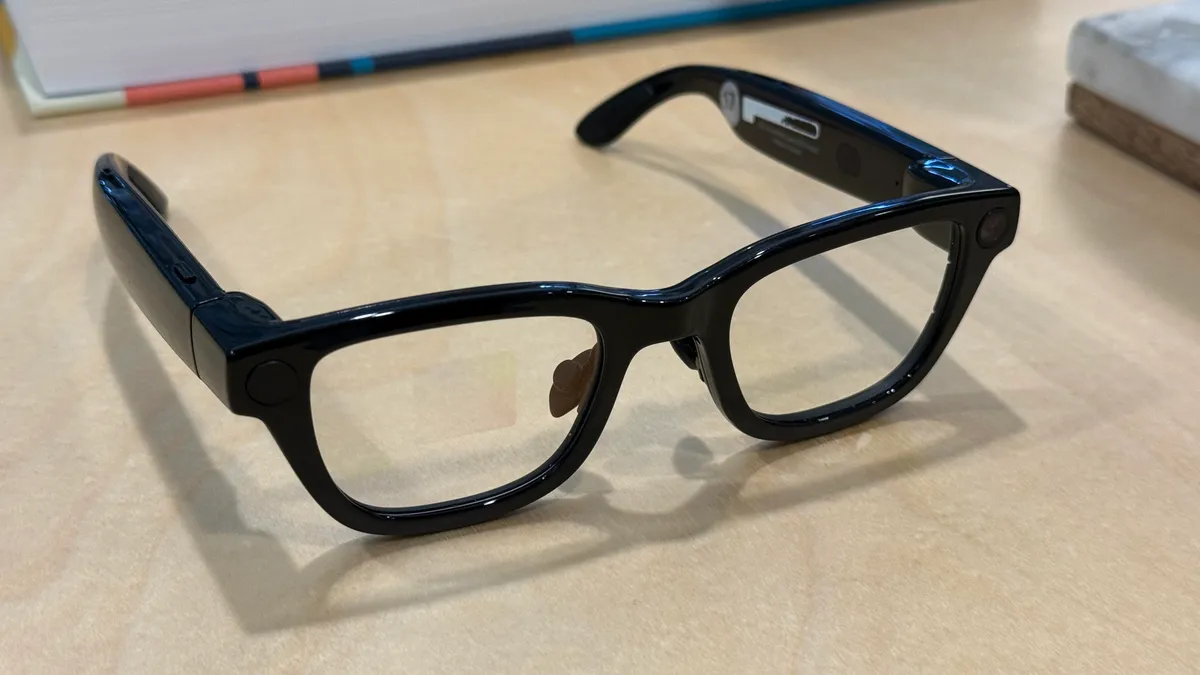
Image: Scott Stein/CNET
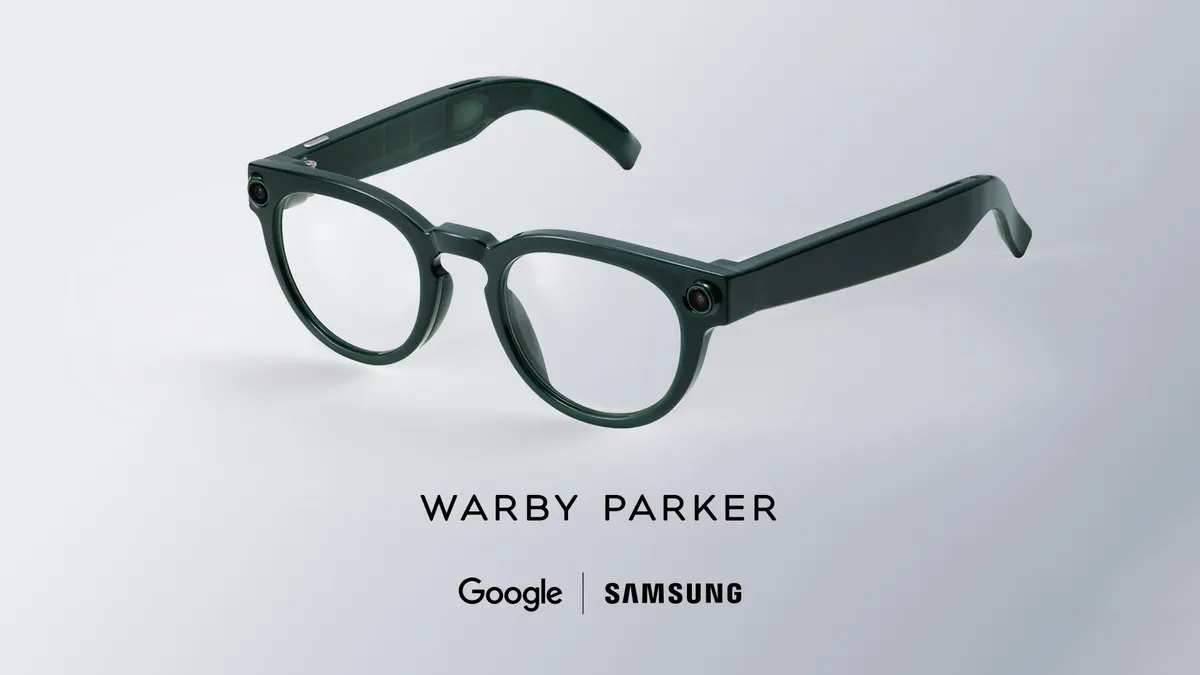
After the failure of Google Glass a decade ago, Google is getting back to the “face” of the user, but with a much more refined partnership strategy. Instead of a single Pixel device, we see a three-way collaboration: Samsung handles the engineering and the dedicated Android XR silicon, Gentle Monster brings the luxury design, and Warby Parkerbecomes the “front door” into optical retail.
Google wants technology to be invisible.
Googlebook and Aluminum OS: Goodbye, Laptop as you knew it?
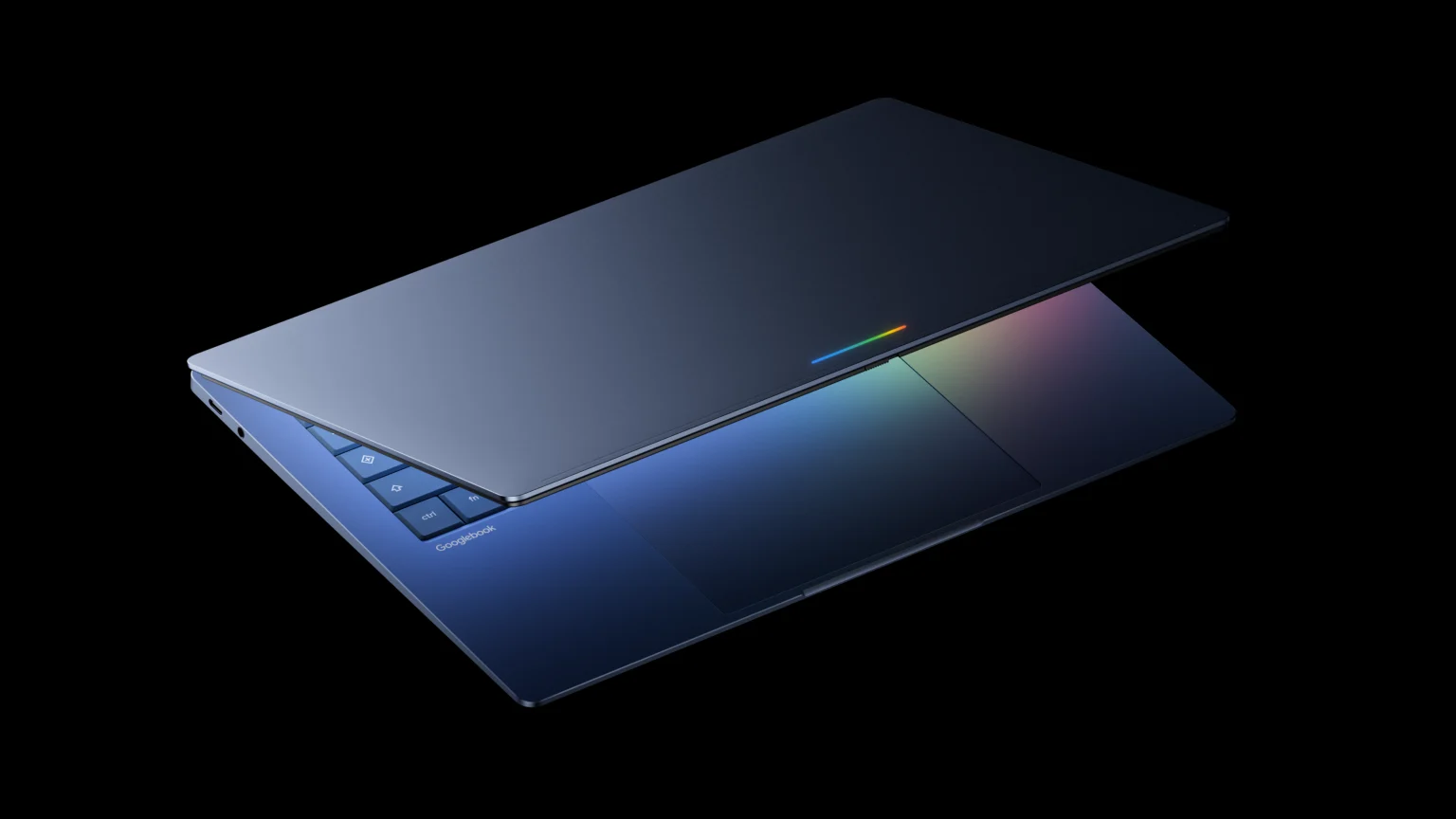
Image: Google
Google is once again trying to attack the premium segment with the Googlebook, a category of laptops that run Aluminum OS. Technically, it’s a hybrid that merges the Android app ecosystem with the ChromeOS browser architecture.
As analysts, we can’t ignore the skepticism: Google seems to be repeating the Pixelbook’s biggest mistake. The hardware is impeccable, but the Aluminum OS is an unproven platform.
The question remains:
will “Gemini at the kernel level” be enough of an argument to convince MacBook or Surface users to leave mature ecosystems for an OS that bets everything on “vibe coding” and AI assistance?
Partners like Acer, Asus, Dell, HP, and Lenovo are already at the starting line, but success depends on real utility, not hype.

Leave A Comment?