
Situatie
The GTC 2026 event in San Jose officially marked the inauguration of the “agentic era,” a turning point that Jensen Huang defined as the “inflection of inference”.
We are no longer witnessing a simple evolution of raw computing power, but a shift in economic and architectural paradigm: the transition from generative AI that “answers” questions to autonomous systems that “act”.
Data centers are ceasing to be cost centers (IT) and becoming veritable “token factories”, production units where the raw material is electricity and the finished product, the high-priced commodity of the new century, is intelligence.

NVIDIA founder and CEO Jensen Huang
Image: NVIDIA GTC 2026
Solutie
1. The “AI factory in a box” and the end of the era of simple computing power
VERA RUBIN: Blackwell’s successor
The Vera Rubin platform, the successor to the Blackwell architecture, represents the first attempt at full vertical integration for the era of complex reasoning. The system is a unified supercomputer that delivers a staggering 3.6 exaflops of performance and a massive 260 TB/s of NVLink bandwidth.
The core of this architecture is the strategic decoupling of computational processes through NVIDIA Dynamo technology. This works as a software orchestrator that separates the prefill phase from the decode phase. While the Rubin GPU handles the dense prefill tasks, the Groq 3 LPX accelerator (based on SRAM memory and a deterministic, statically compiled architecture) takes over the decode phase, being clearly superior in ultra-fast token generation.
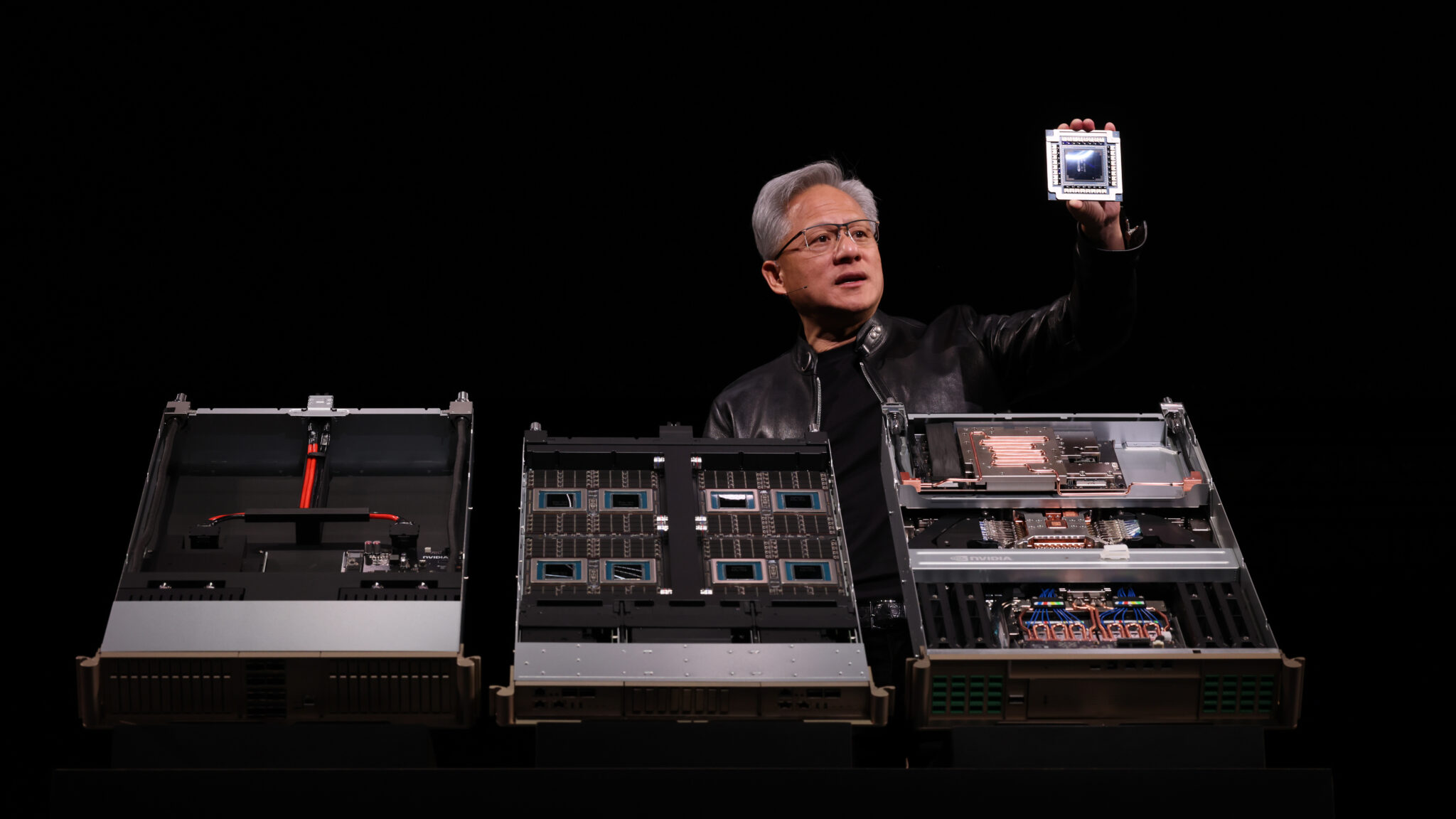
Vera Rubin
Image: NVIDIA
The architecture includes seven new chips, most notably the Vera CPU with 88 custom “Olympus” cores, which uses Spatial Multithreading to manage thousands of agents simultaneously with deterministic latency.
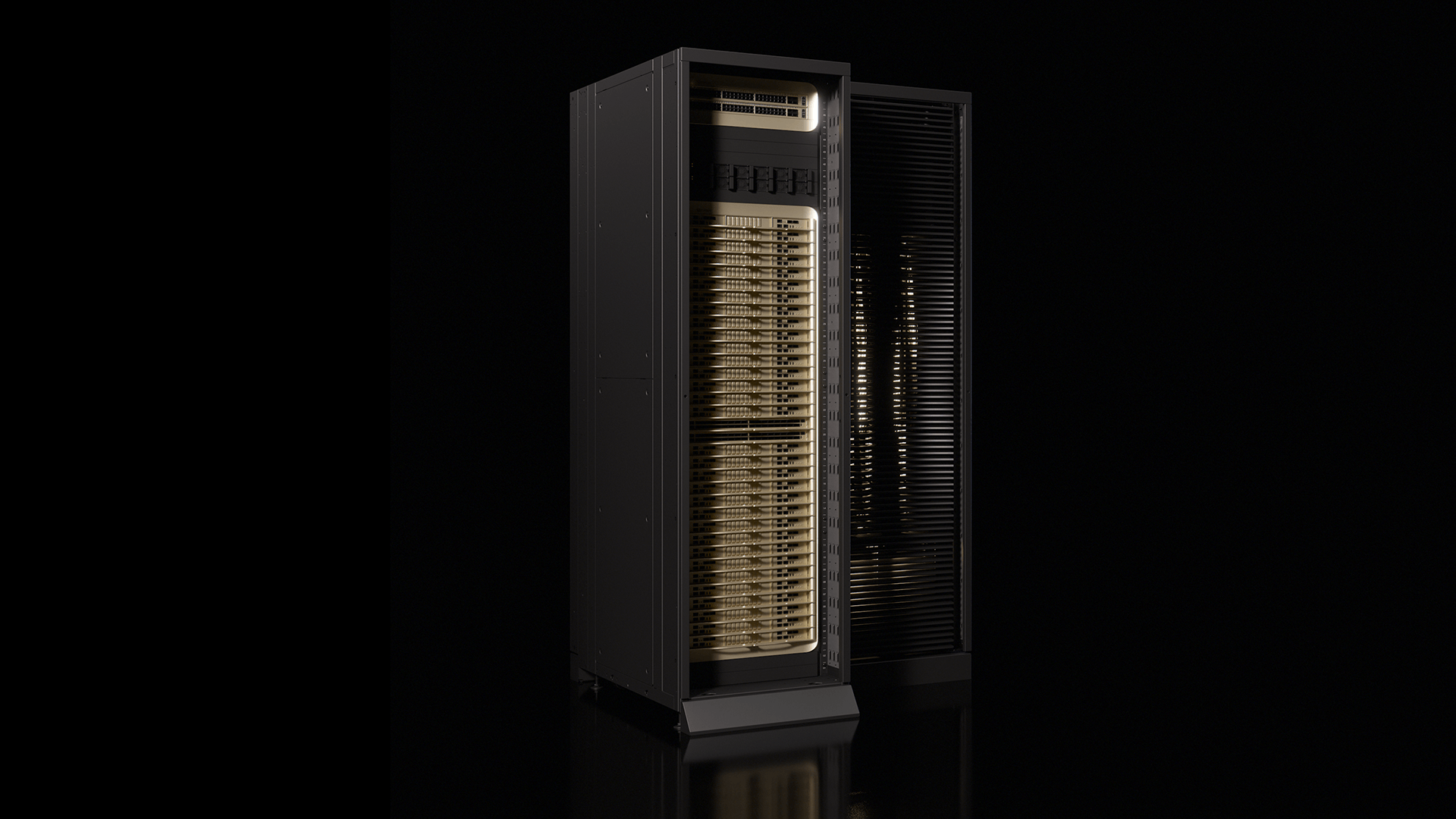
Vera Rubin
Image: NVIDIA
2. The $26 Billion bet on Open-Weight models
OpenClaw and NemoClaw
NVIDIA has formalized the era of AI agents capable of planning and acting autonomously.
In a massive strategic move, NVIDIA announced a $26 billion five-year investment in the development of “open-weight” AI models.
The first concrete result is Nemotron 3 Super, a 120 billion-parameter model optimized to run natively on NVIDIA hardware and designed specifically for multi-agent systems.
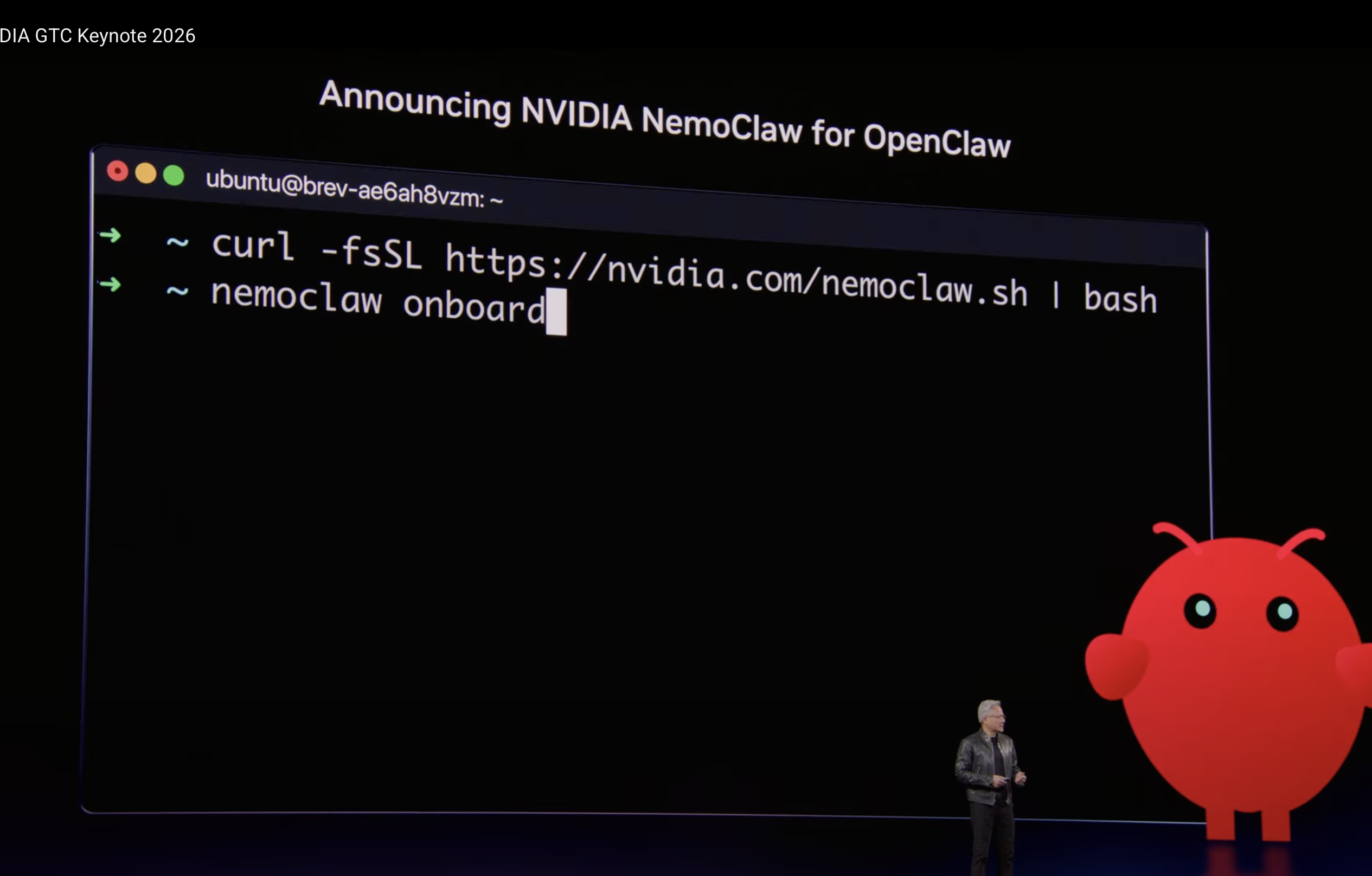
NemoClaw
Image: NVIDIA
The spearhead is the Nemotron 3 Super, a revolutionary model optimized for agentic reasoning:
- Mamba-Transformer Hybrid MoE Architecture: Combines Mamba layers (for long-context efficiency) with Transformer architecture, using a Latent Mixture-of-Experts system.
- Radical Efficiency: Has 120 billion total parameters, but only 12 billion are active during inference.
- Context Window: 1 million tokens, allowing agents to maintain the history of complex workflows over the long term.

NemoClaw
Image: NVIDIA
3. From Olaf the robot to beyond Orbit
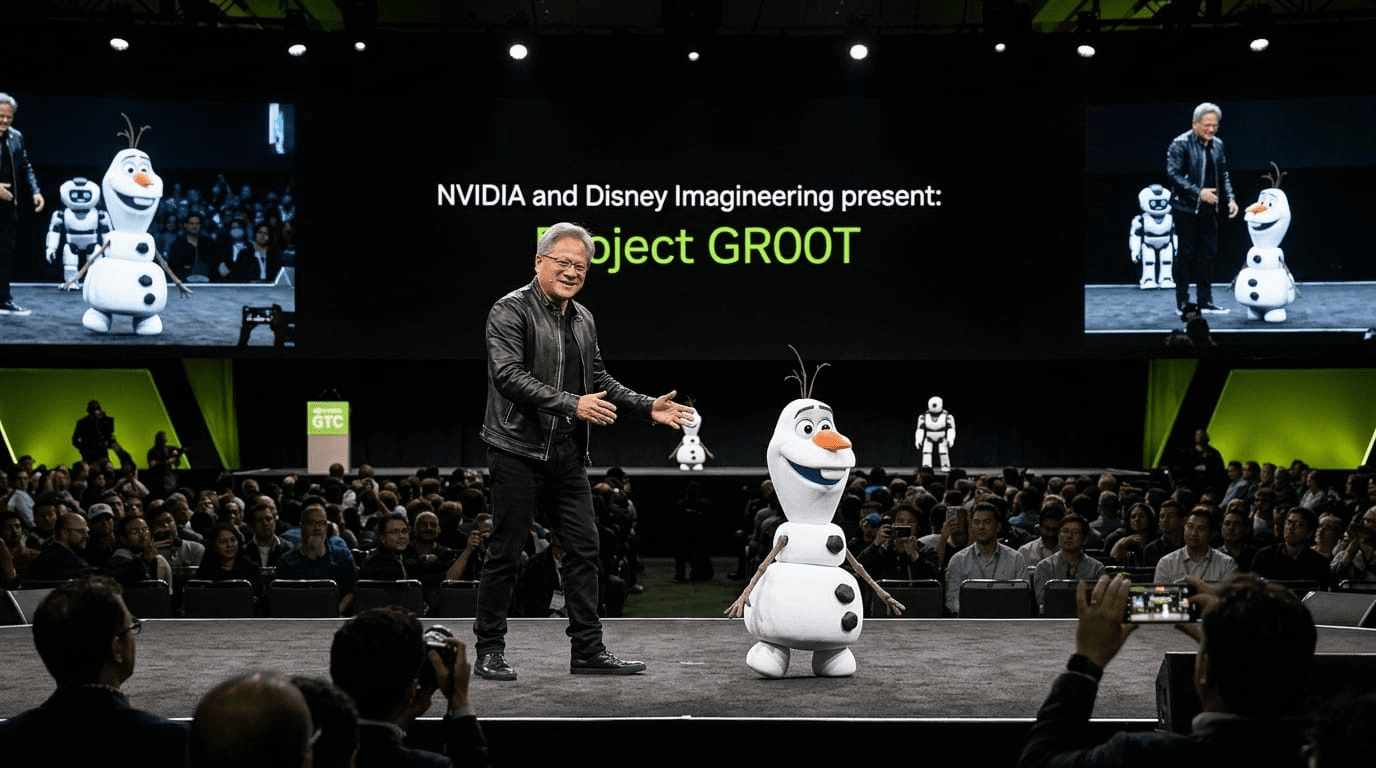
Olaf
Image: NVIDIA
NVIDIA has demonstrated that AI has left the screen and entered the world of atoms.
Through the Omniverse platform and Newton physics engine, robots are now fully trained in simulation before being physically deployed. A fascinating example was the Olaf robot (Disney), whose fluid movement was learned through synthetic training.

Olaf
Image: Sean Hollister / The Verge
The surprise of the event was the Vera Rubin Space-1 module, designed for orbital data centers. It offers 25 times the computing power of an H100, allowing data processing directly on satellites.
“In space there is no conduction, there is no convection. There is only radiation. We have to figure out how to cool these systems up there. We have excellent engineers working on that.” – Jensen Huang
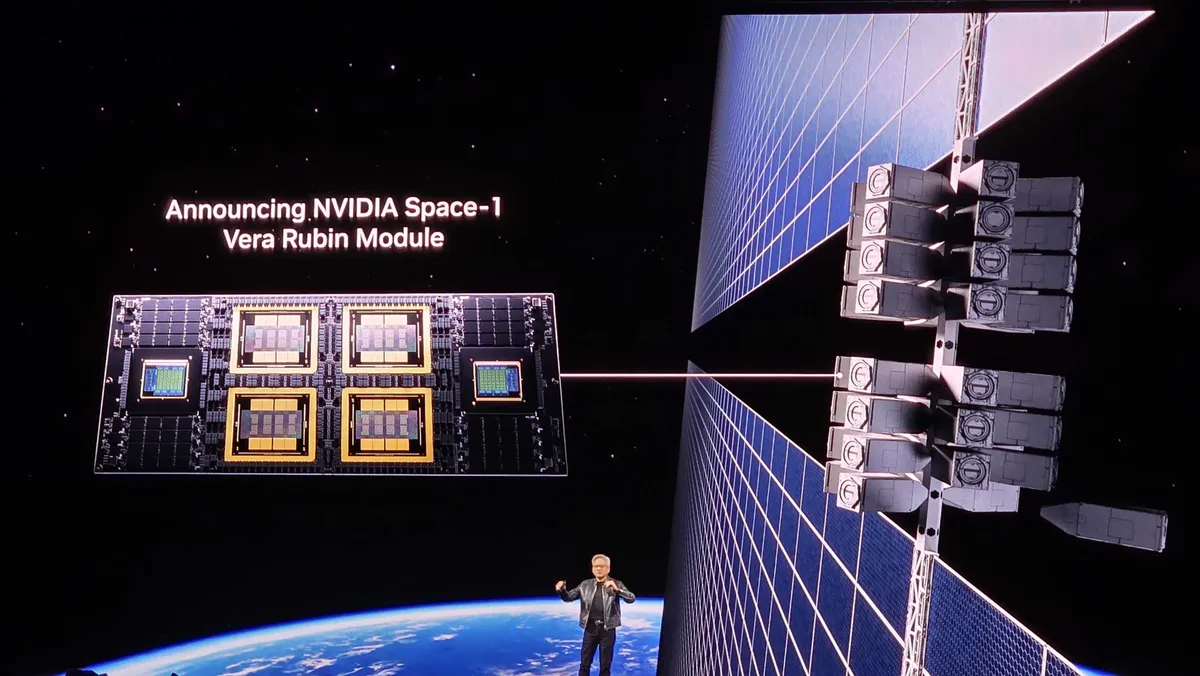
Vera Rubin Space-1
Image: Tom’s Hardware
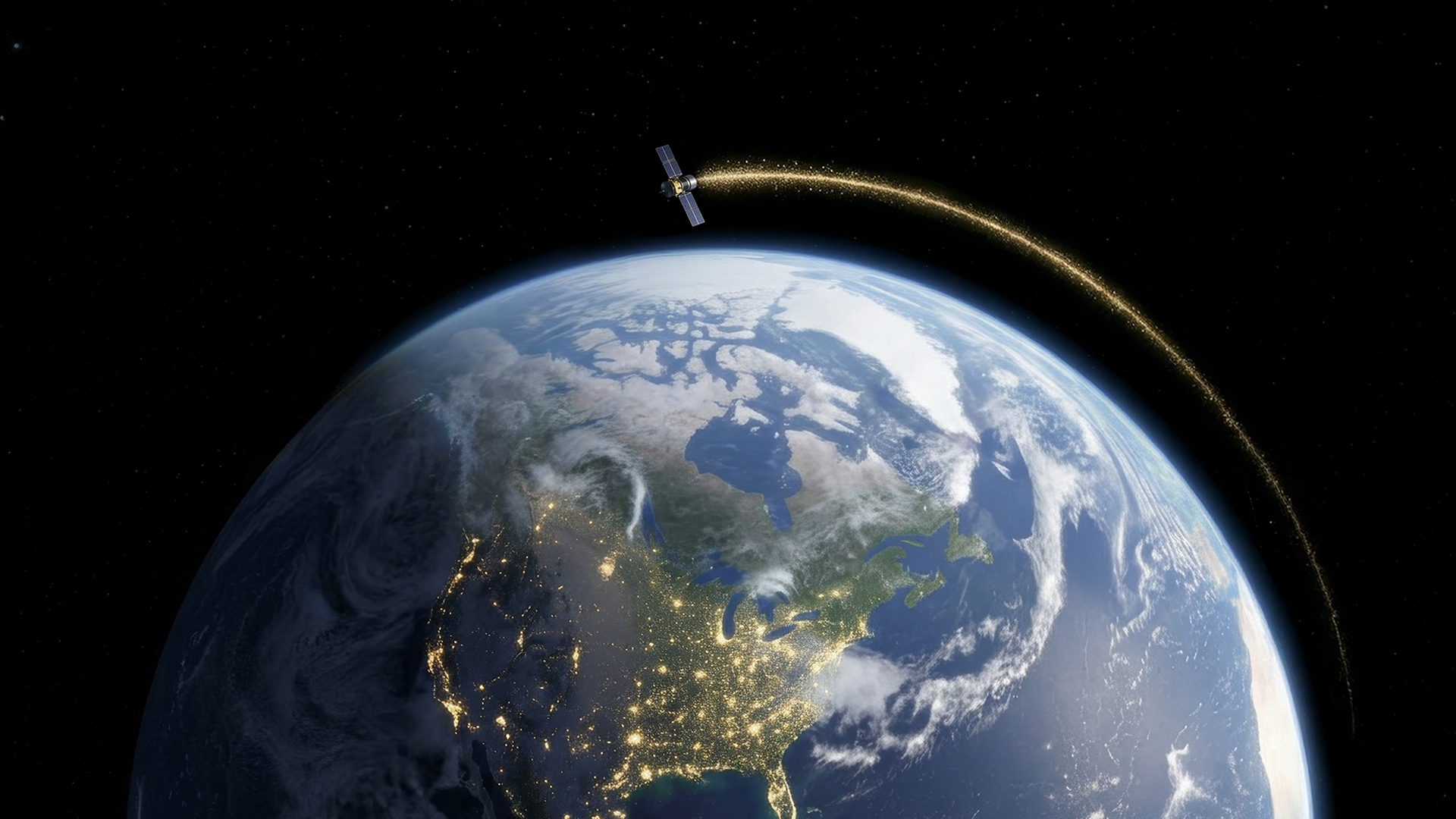
Vera Rubin Space-1
Image: NVIDIA
Leave A Comment?