
Situatie
Solutie
Pasi de urmat
System Restore can undo problems in minutes without deleting your files
Roll your PC back to a working state before bad updates, drivers, or changes break things
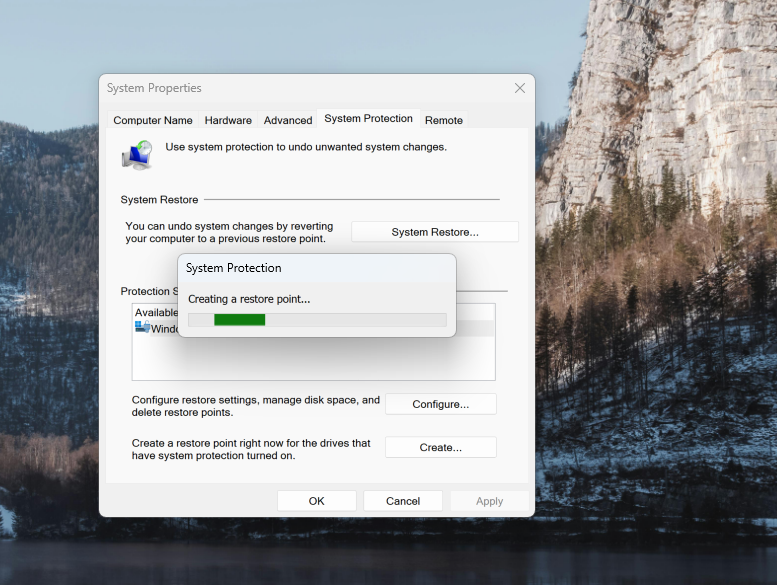
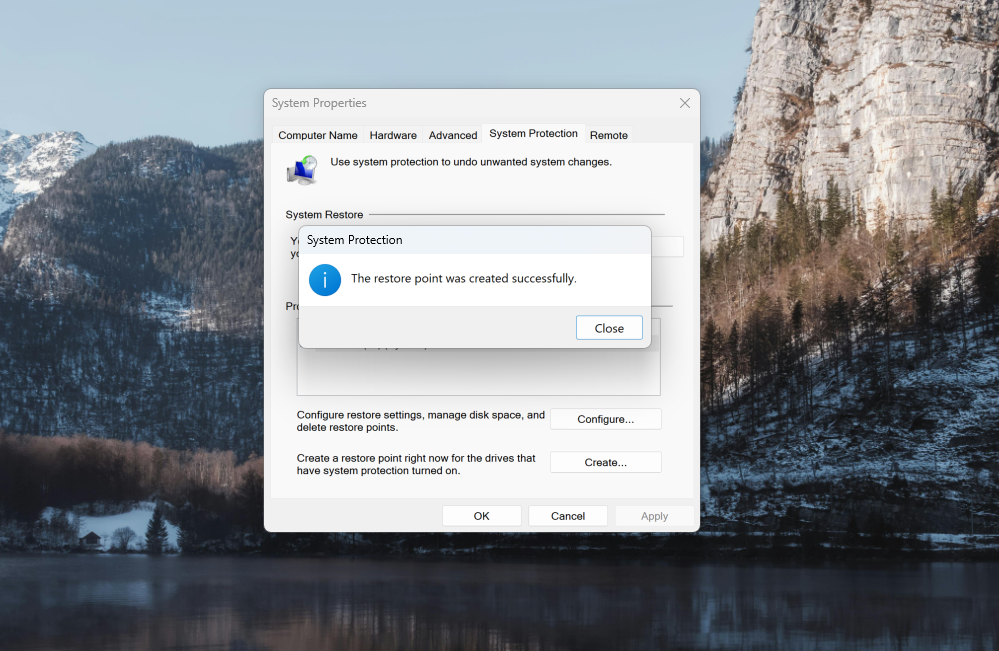
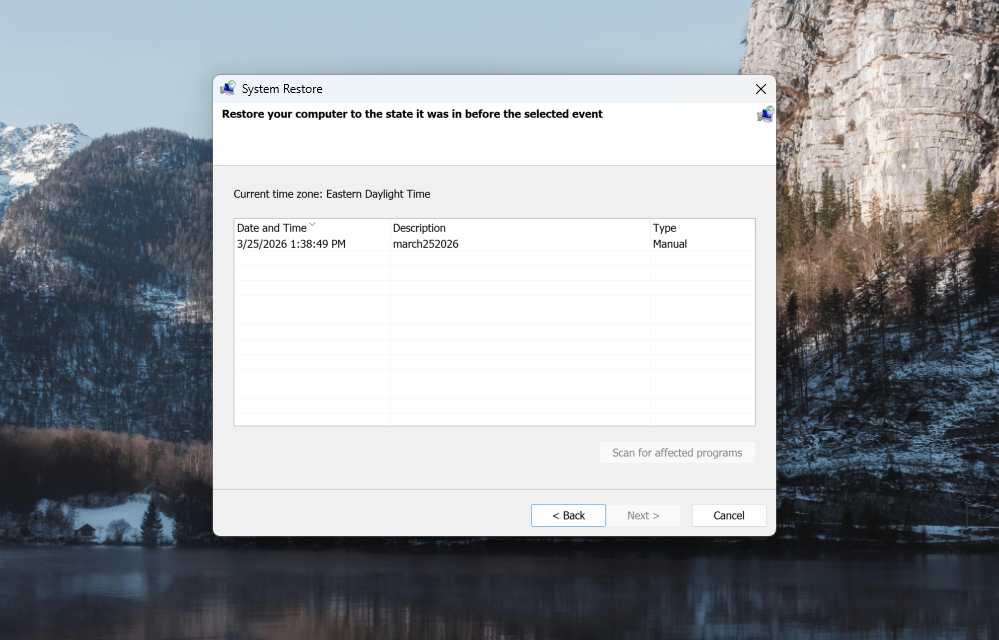
System Restore is one of those features I’ve used from time to time, but not nearly as often as I should have. It would’ve saved me more time than anything else on this list. It lets you roll your system back to a previous state, which means undoing things like bad driver installs, broken updates, or registry changes that quietly wreck performance. It doesn’t touch your personal files, so your documents, photos, and most of your apps are unaffected.
This is the first thing I’d try if your PC suddenly starts acting weird after a change you can’t easily undo. Maybe something stopped working, performance dropped off a cliff, or Windows just feels off and you’re not sure why. It can even undo problems caused by bad Windows updates, which is one of the most common reasons I wish I had used it sooner. When it works, it feels like you skipped hours of troubleshooting and avoided a full reinstall entirely.
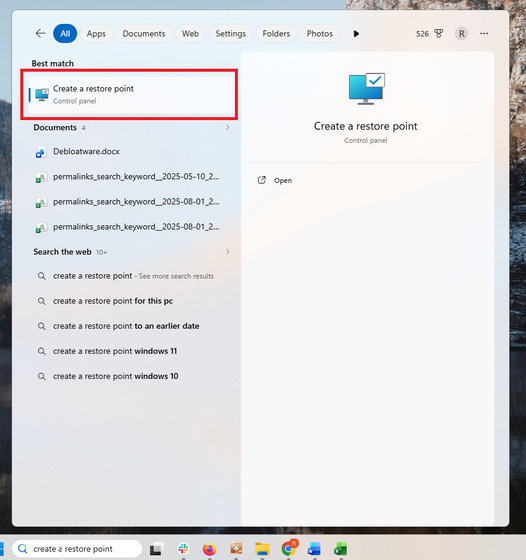
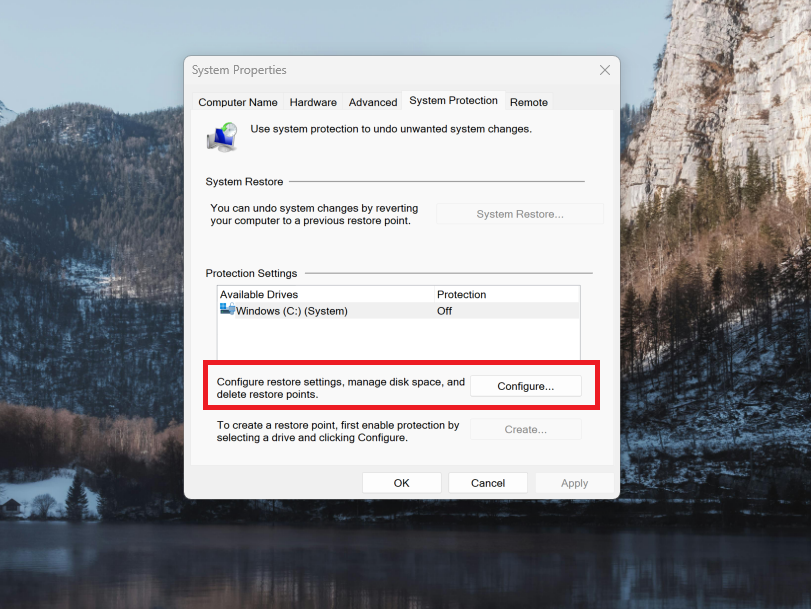
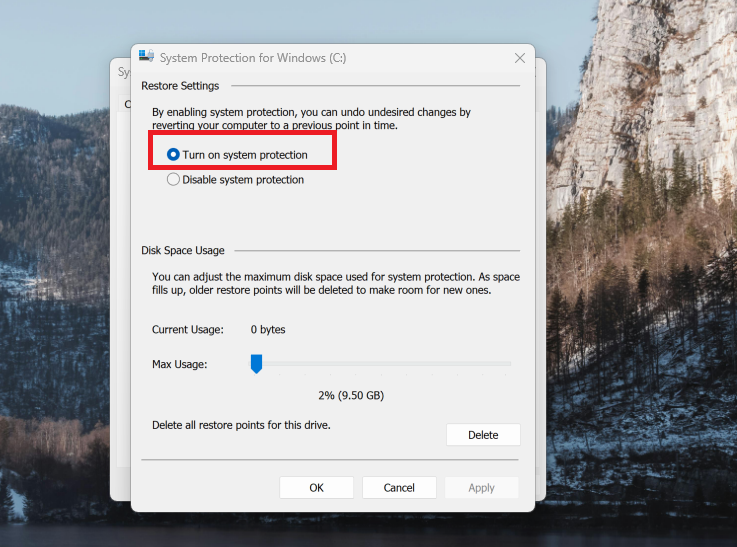
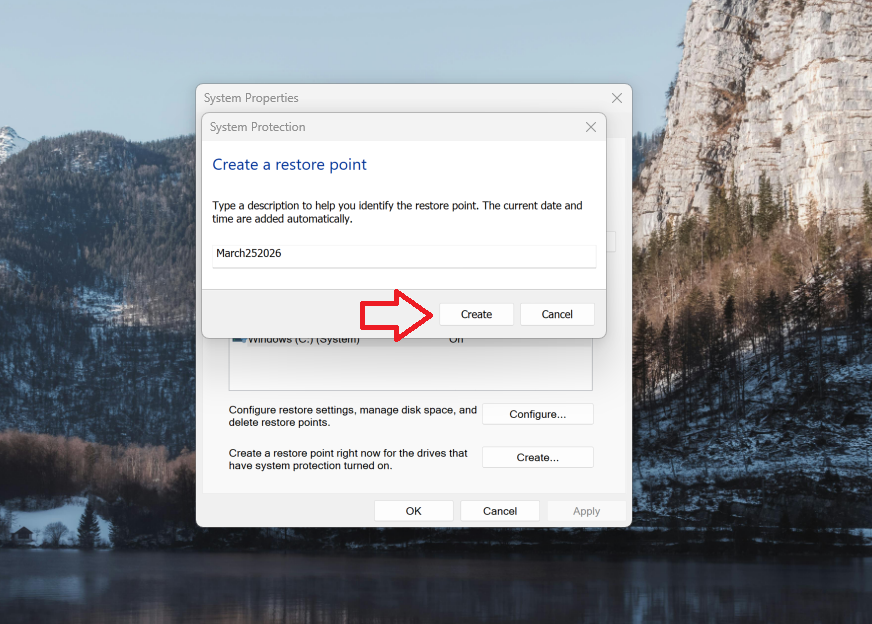
To use it, open the Start menu, search for Create a restore point, and open it. In the System Protection tab, click System Restore, choose a restore point from before the issue started, and follow the prompts. One catch: System Restore isn’t always enabled by default. If your system drive shows as Off, click Configure, select Turn on system protection, and apply the changes. Once it’s enabled, Windows will start creating restore points automatically, so it’s ready the next time something breaks.
Startup Repair can fix boot problems when Windows won’t load
Automatically diagnose and repair issues that stop your PC from starting
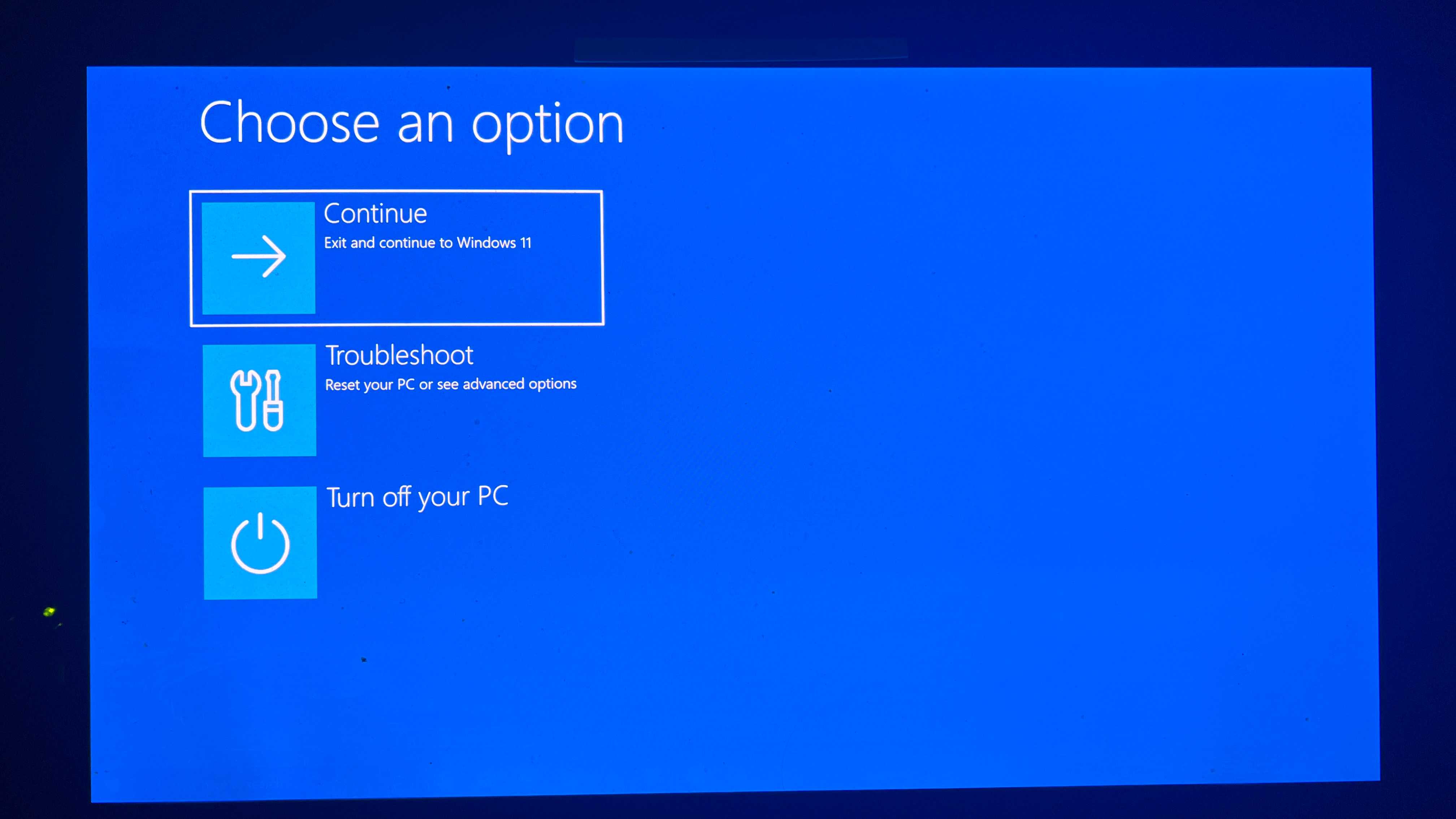

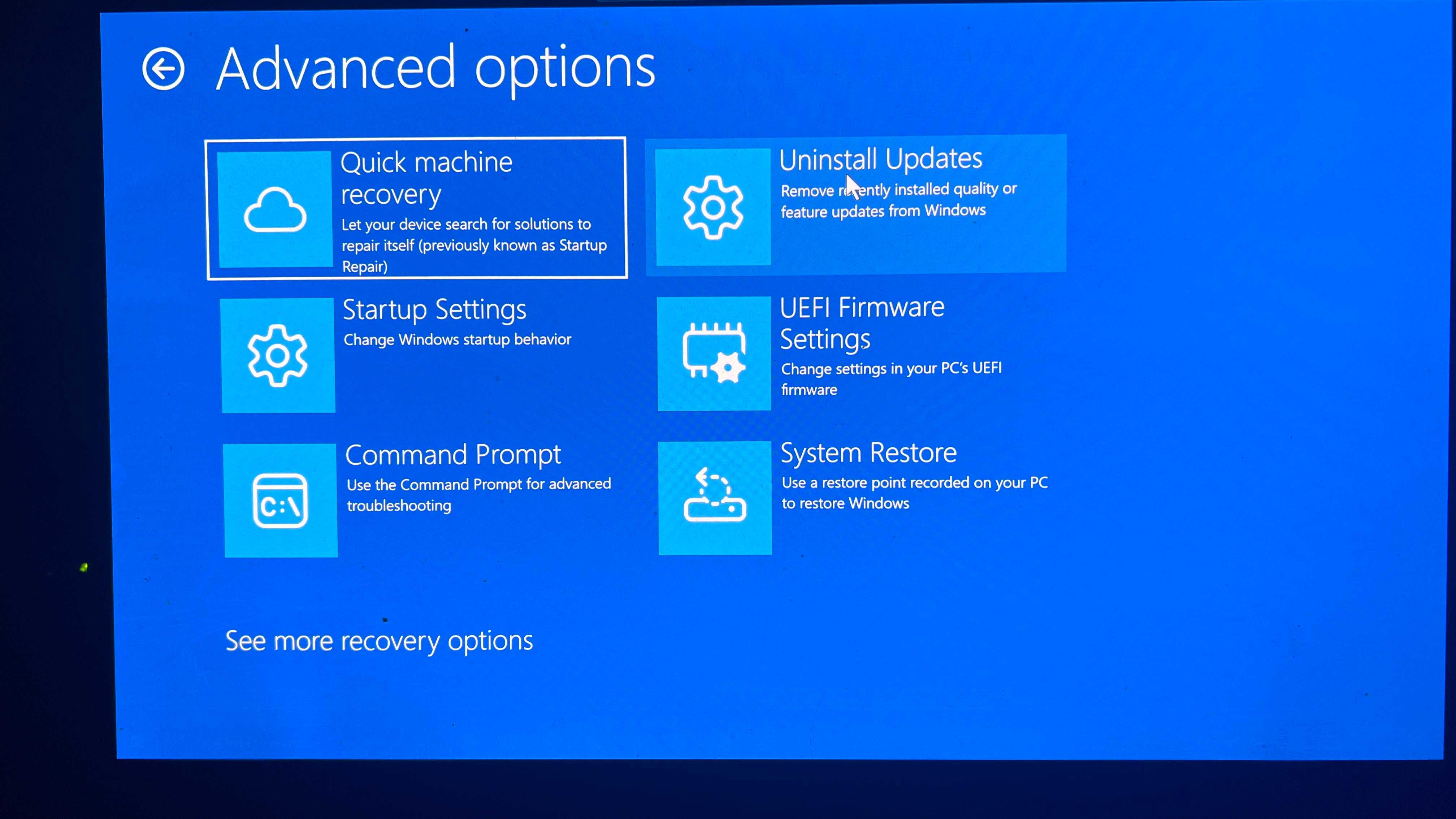
Startup Repair is what I reach for when things go sideways in a more serious way, like when Windows won’t boot at all or gets stuck in a restart loop. It’s designed to automatically detect and fix problems that prevent Windows from loading, including corrupted system files, missing boot data, or issues caused by a bad update. Instead of guessing what went wrong, it runs a set of diagnostics and tries to fix things for you in the background.
This is the tool to use when your PC feels completely broken and you can’t even get into Windows normally. That’s what makes it so valuable. It removes a lot of the guesswork at the worst possible moment. In many cases, it can get your system booting again in a few minutes without touching your files or forcing you into a full reinstall.
To run it, hold Shift and click Restart from the Start menu to open Advanced Startup, then go to Troubleshoot > Advanced options > Startup Repair. If your PC won’t boot, Windows will usually bring you to this screen automatically after a few failed attempts. From there, just follow the prompts and let it do its thing.
System File Checker can fix hidden Windows errors without a reset
Scan and repair corrupted system files that cause crashes, glitches, and strange behavior

System File Checker (SFC) is one of those tools that fixes problems you can’t easily identify. If Windows is acting strange, apps are crashing, features aren’t working properly, or you’re getting random errors with no clear cause, there’s a good chance a system file is corrupted. SFC scans your core Windows files and replaces anything that’s broken or missing with a clean copy. It can resolve a lot of the weird, hard-to-diagnose issues that make you think your system is beyond saving.
This is the tool I reach for when things feel off but not completely broken. If your PC still boots but something isn’t right, SFC is a low-effort, high-reward step that’s worth trying before you do anything drastic. It matters because it targets the underlying system instead of treating symptoms, and in many cases, it can stabilize your PC without you having to reinstall anything.
To run it, open the Start menu, search for Command Prompt, right-click it, and choose Run as administrator. Then type sfc /scannow and press Enter. The scan can take a little while, but once it finishes, it will automatically repair any issues it finds. If it reports that it fixed problems, it’s usually a good idea to restart your PC and see if things are back to normal.
Reset this PC should be your last resort when nothing else works
Reinstall Windows while keeping your files to fix problems you can’t resolve
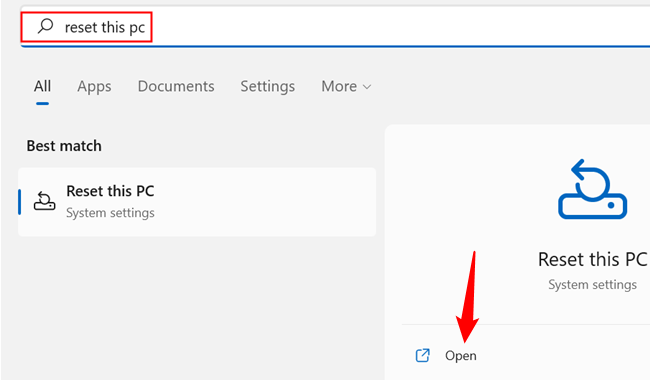
Reset this PC is the option I used to jump to way too quickly, but it really should be your last resort. It reinstalls Windows and gives you a clean slate, which can fix just about anything, but it’s also the most disruptive option on this list. The good news is that you don’t have to wipe everything. The “Keep my files” option lets you reinstall Windows while preserving your personal files, though you’ll still need to reinstall your apps and redo your settings, and preferences.
This is what you turn to when nothing else has worked or your system is too far gone to fix with the other tools. If you’ve tried System Restore, Startup Repair, and SFC, and things are still unstable or broken, a reset can save you from chasing problems any longer. It’s not something you want to do casually, but when you need it, it’s a reliable way to get your PC back to a known good state without starting completely from scratch.
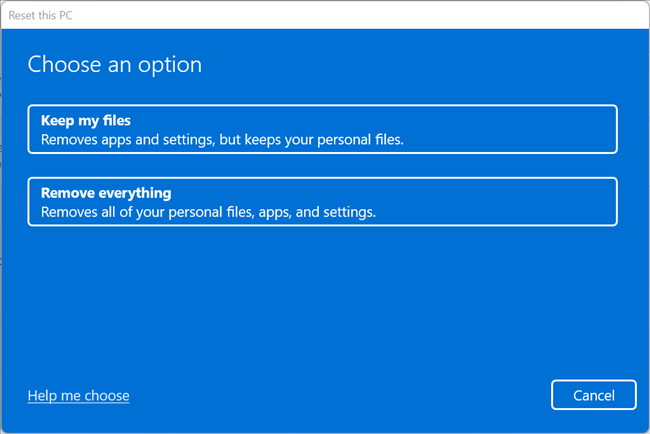
To use it, go to Settings > System > Recovery, then click Reset PC under Recovery options. You’ll be asked whether you want to “Keep my files” or “Remove everything”. For most situations, Keep my files is the safer choice. Follow the prompts, and Windows will reinstall itself and restart your PC once it’s finished.
Leave A Comment?