
Situatie
In 2026, almost every PC is running a solid-state drive (SSD) of some kind. With an SSD, cold boot times are already extremely short. My PC boots in less than 20 seconds, and even an older SATA SSD will easily get you to the desktop in less than 45 seconds. The amount of time you actually save by using Fast Start-up on modern hardware is barely noticeable.
Fast Start-up can cause extra problems no one wants.
Shutting down is sometimes necessar.
The real issue comes from the fact that Fast Start-up isn’t a true shutdown. When you click Shut Down with Fast Start-up enabled, the Windows kernel stays partially loaded and drivers are kept in their current state. Despite the speed gains, that sometimes introduces problems. I’ve run into more situations than I can count where a true restart is the easiest way to fix things. Whether you’re installing new drivers, applying system updates, or trying to clear out a bugged driver state, you need a “clean slate”.
Fast Start-up gets in the way of all of that. You might notice that some updates don’t seem to stick until you do a full restart, or that bugs you’d expect to resolve after shutting down your PC and turning it back on stick around. The classic advice to “turn it off and on again” is great, but if you have Fast Start-up enabled, shutting down and powering back on doesn’t actually reboot the system—it just resumes with all the bugs in place.
Getting to the BIOS is more complicated than it should be
Fast Start-up also makes getting into your BIOS a bit more difficult. Normally, you just power on the PC and rapidly tap F2 or Delete to enter the BIOS. When Fast Start-up is active, the system skips parts of the initialization process so quickly that the window to press those keys often disappears entirely.
Solutie
Disabling Fast Start-up on Windows 11
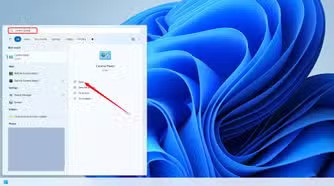
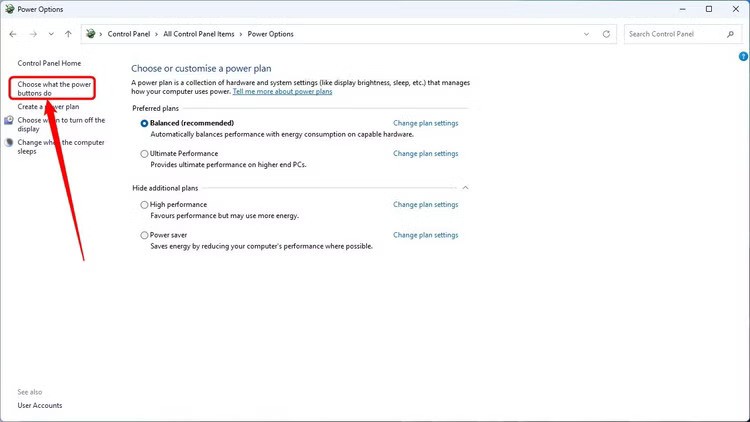
To disable Fast Start-up, search for Control Panel in the Start Menu search bar, then select the appropriate result. Once the Control Panel is open, navigate to Power Options > Choose what the power buttons do, then untick the box next to “Turn on fast start-up”.
If you’re using the Category view in Control Panel, you’ll find Power Options under Hardware and Sound. You may need to click “Change settings that are currently unavailable” before Windows allows you to disable Fast start-up.



Fast Start-up was a reasonable option for mechanical hard drives since they were painfully slow, but that speed bottleneck doesn’t exist anymore. Rather, it now just serves as a minor inconvenience at best or a potential source of glitches at worst. If you want your system to be ready to use more quickly, you’re better off reducing the number apps that launch automatically, that’ll allow Windows to be ready to use much more quickly.
Leave A Comment?