
Situatie
Linux is pretty impressive, and its greatest feature is arguably its cost. If you were to dip into your pocket and pull out nothing but fresh air, you’d still have enough to cover the license fees for this powerful system. Windows, on the other hand, well, Microsoft locks many of its capabilities behind a tiered payment structure.
Solutie
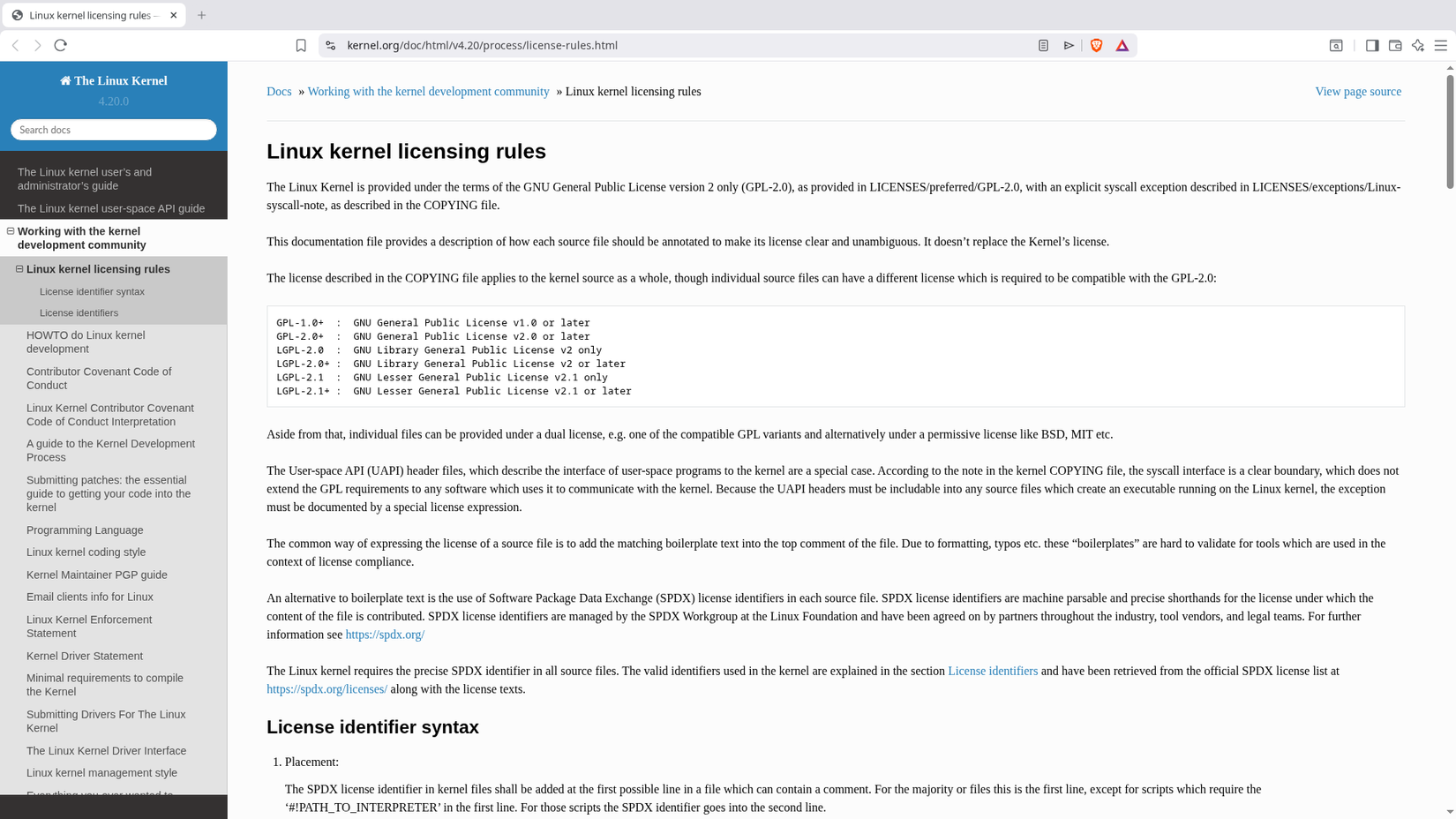
The first on the list is the most obvious: the license. Linux (and the surrounding ecosystem) is broadly available under one of the copyleft or permissive licenses (GPL, MIT, Apache, etc.). All free of cost, and with few restrictions.
Windows, on the other hand, is entirely proprietary, and even has a tiered license structure. What you pay for determines which features you get, and prices range roughly between $140 and $200 for a standard Windows system.
Platform upgrades are free on Linux
While the software upgrades between major Windows versions are free, you may not be able to run them on old hardware. Windows 11 requires TPM 2.0, and not all laptops support that. TPM isn’t something you can officially sidestep either, because it’s involved in measuring the system boot, among other things.
On the other hand, the use of TPM on Linux is entirely optional, although TPM 1.X was never supported by systemd. Linux doesn’t force your hand and insist you must purchase new hardware for upgrades; Windows does. To me, that makes Windows the more expensive option.
Extended software support usually costs nothing on Linux
Microsoft provides extended support for Windows versions that are quickly going out of fashion. It calls the program Extended Security Updates (ESU), which freezes feature releases and focuses entirely on security fixes. Microsoft does offer two free pathways: reward points and data. The former requires you to use its other platforms, and for the latter, you pay with data at the expense of your privacy. I don’t see these as free, and if you decline these offers, you must pay $30 for a one-year extension of security patches.
It also runs a real long-term support channel (called LTSC) for enterprise customers with specialized hardware, like kiosks and IoT devices, for up to 10 years—different licenses have different durations. It doesn’t come cheap, either. A license upgrade will cost around $275, in addition to the base license fee.
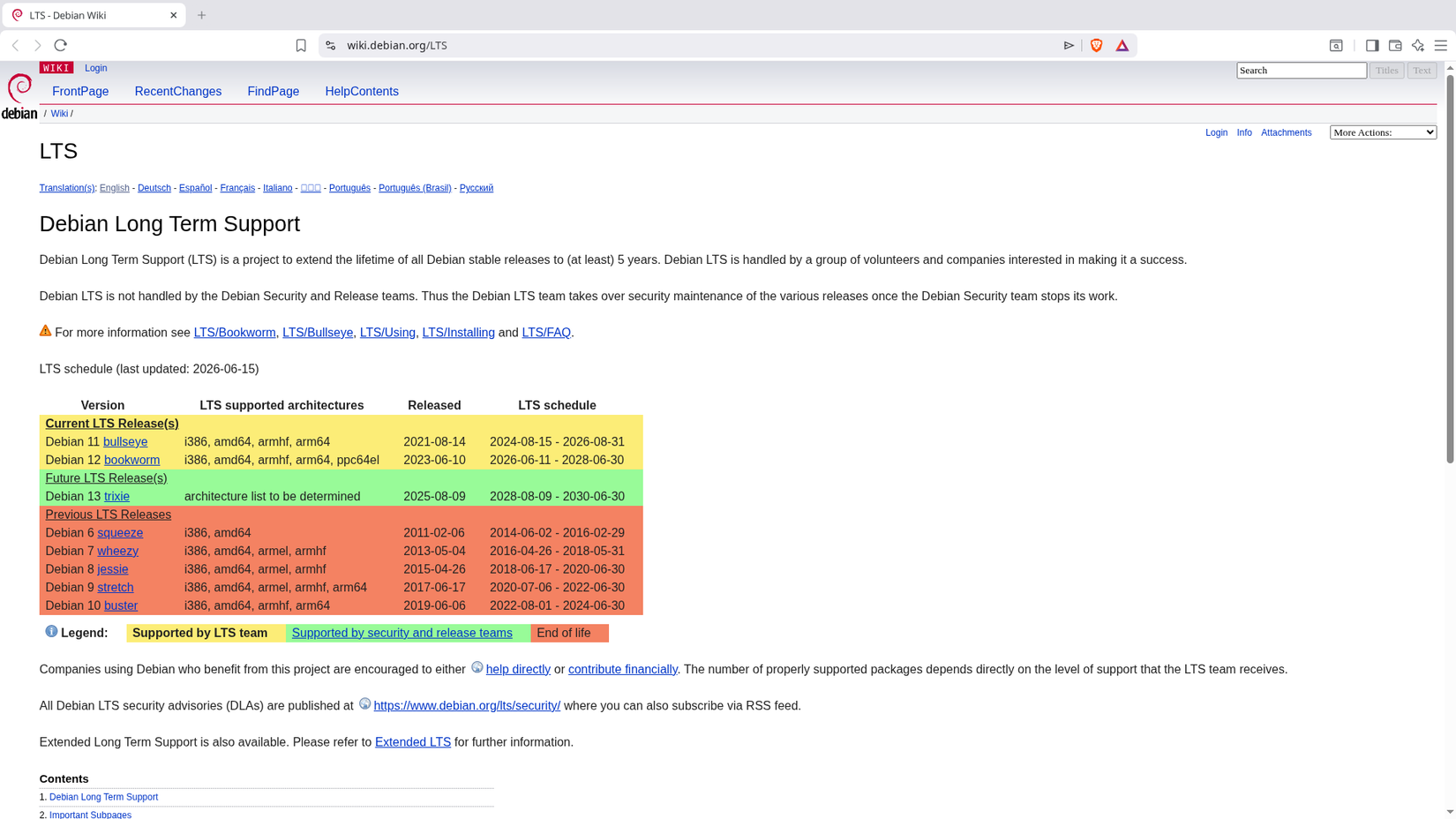
On Linux, LTS is generally free. Debian and Ubuntu offer five-year LTS releases at no extra cost. However, it’s worth noting that they do offer an additional five years (bringing it to 10) if you pay for a premium subscription—which isn’t cheap, but you do get five years for free.
Full-disk encryption is entirely free on Linux
Windows locks it behind Pro edition and above
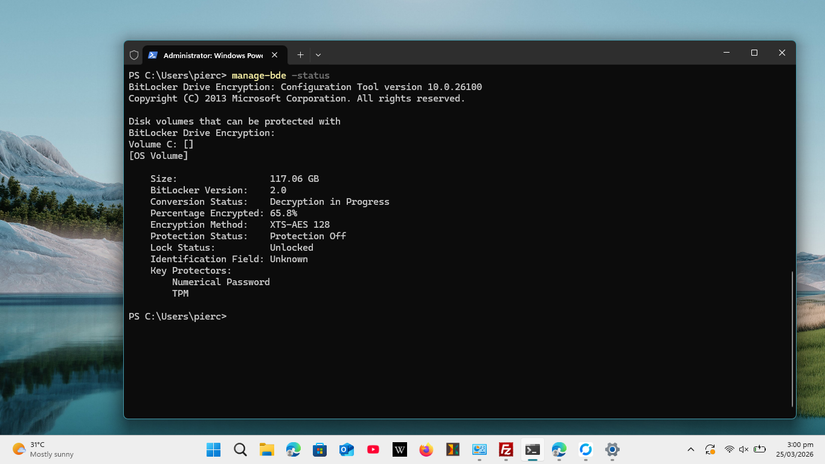
If your device gets stolen, it’s peace of mind to have strong encryption to guard against malicious access to your digital life. On Windows, BitLocker is the weapon of choice, but it’s not entirely free. To get this feature, you need a Pro, Enterprise, or Education edition, which will cost you a few extra bucks. I may be nitpicking, but that’s not free.
On Linux, we have LUKS and dm-crypt, which work together to provide robust and secure encryption, and it costs anything between $0 and $0.
Leave A Comment?