
Situatie
Solutie
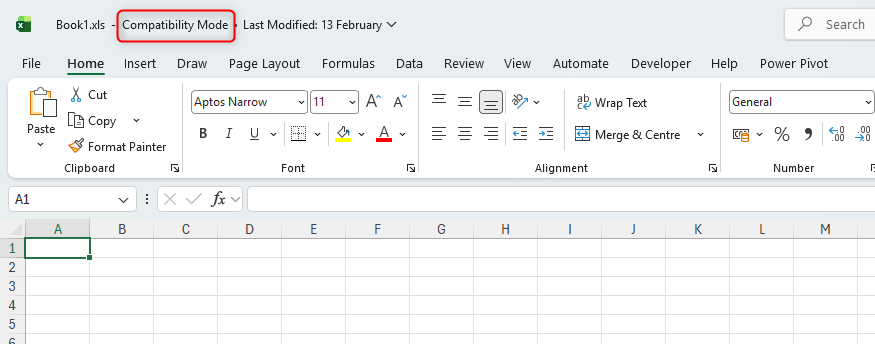
If your file extension ends with .xls, you’re essentially driving a vintage car on a modern highway. This format was standardized in Excel 97 and carries legacy constraints from that era. When you see Compatibility Mode in your title bar, Excel limits modern features to support older versions.
Beyond the obvious 65,536-row limit, the XLS format is a “binary black box.” Unlike the modern XLSX—which is actually a transparent ZIP package of XML files—the old format is a proprietary blob that is prone to corruption and difficult for modern security tools to scan because its contents are opaque. What’s more, because it lacks the modular compression of modern formats, these files are massive storage hogs—converting to XLSX can often reduce your file size by up to 75%.
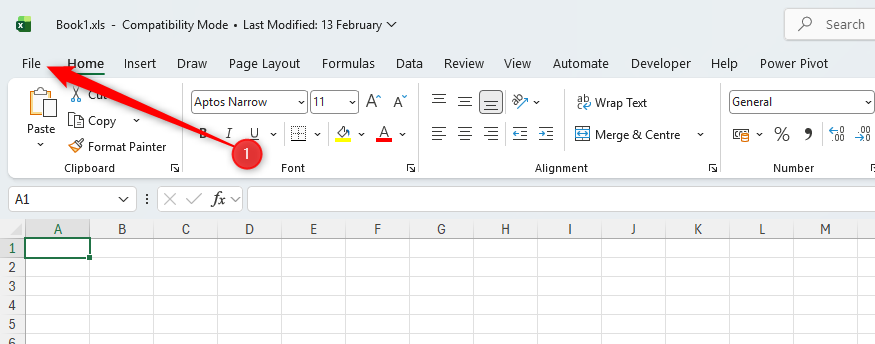
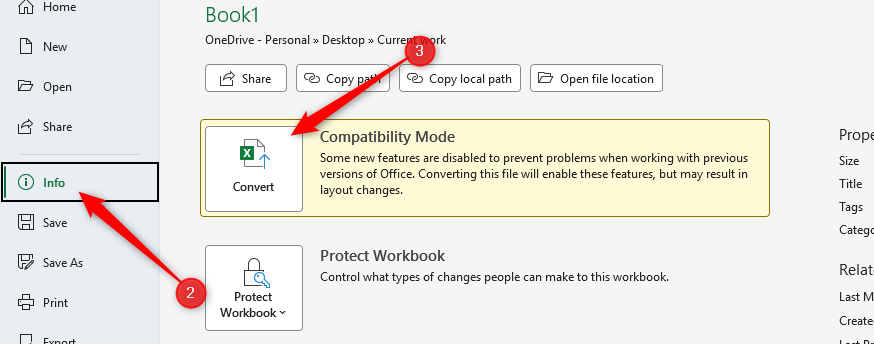
The fix: Go to File > Info > Convert. This performs a clean migration, stripping away the binary baggage and unlocking the 1,048,576-row grid, multi-threaded calculation speeds, and modern cloud collaboration features like co-authoring.
Your formulas are unreadable and fragile blocks of text
Move beyond the wall of code
While you might think that a mega-formula looks impressive, it’s actually just “spaghetti logic.” It’s impossible to interpret or debug, and if you change one cell reference, the whole house of cards collapses.
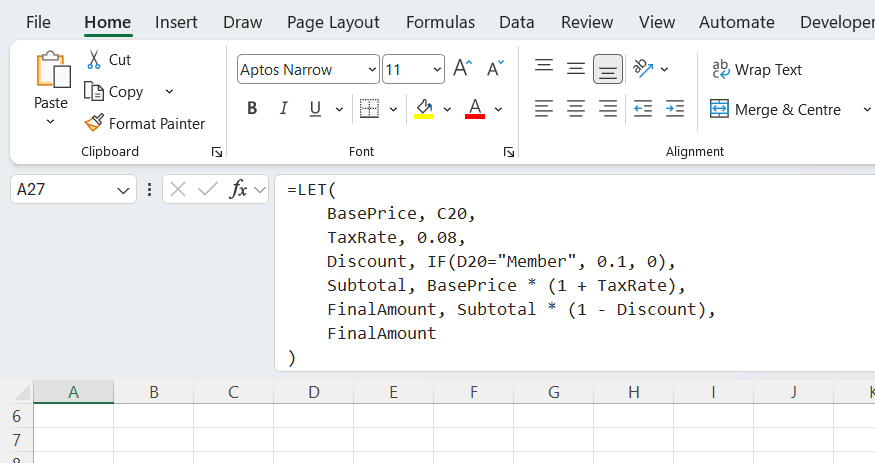
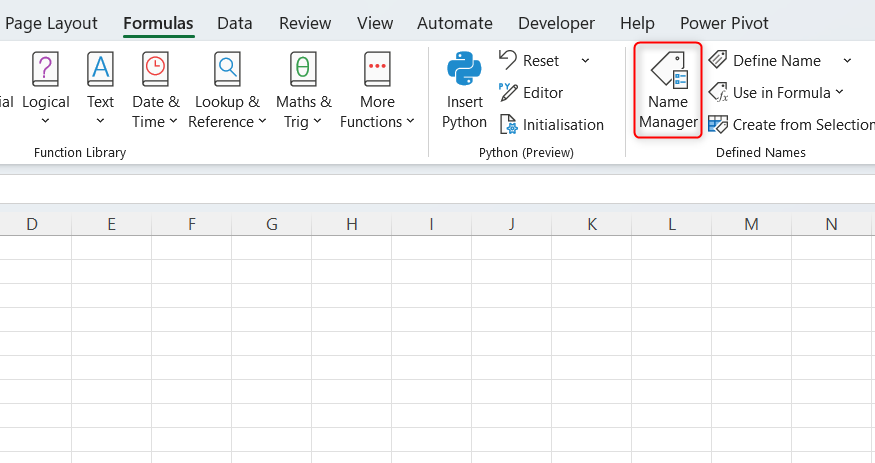
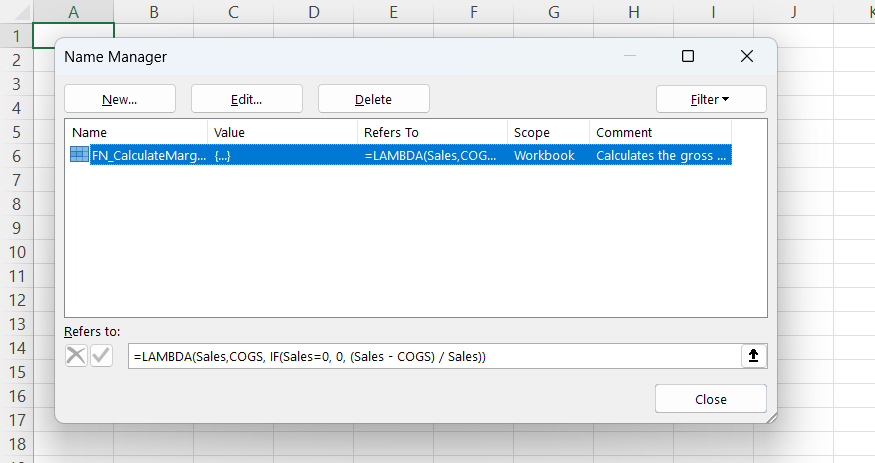
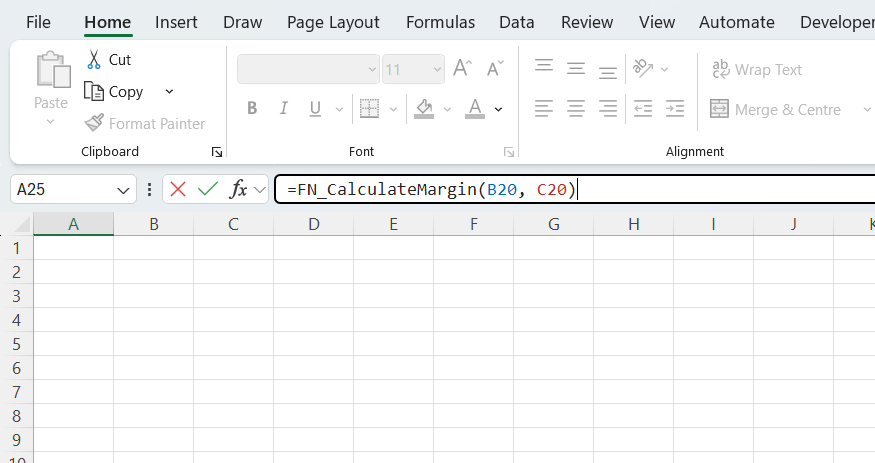
The fix: Use LET (Excel for Microsoft 365 and Excel 2021 or later) and LAMBDA (Excel for Microsoft 365 and Excel 2024 or later) to consolidate your logic. The LET function lets you define a calculation once at the start of your formula and give it a name, making the rest of the formula readable and efficient. If you have logic that needs to be used across the entire workbook, use LAMBDA to create a named, reusable function. Once defined in the Name Manager, you can reference it throughout your workbook, reducing the need for repeated edits.
Solve the “Bob from accounting” problem
Every Excel project has a Bob. Bob built the master spreadsheet in 2014, but moved on in 2022. Now, no one knows why cell J42 is multiplied by 1.057, or where the “Macro_Final_v3_OLD” button actually sends the data. This is the tribal knowledge gap—critical logic living in a tool that is undocumented, unreadable, and completely unsupported if the creator leaves.
Legacy spreadsheets rely on “magic numbers”—hard-coded values buried inside formulas with no explanation of where they came from. When the environment changes, these spreadsheets become landmines because nobody knows which constants need to be updated.
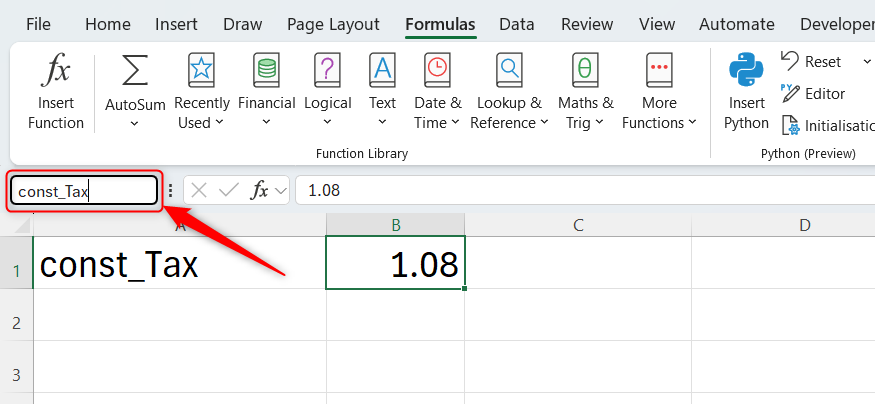
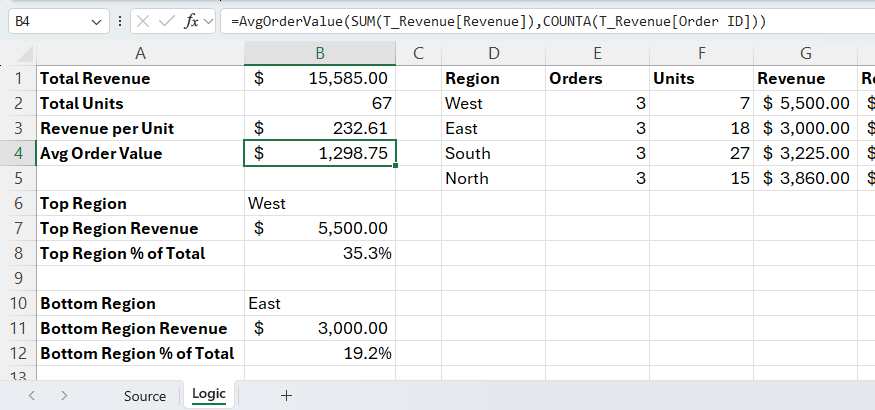
The fix (part 1): Start using named ranges to make your formulas self-documenting. Instead of a formula that says =C2*1.08, define that 1.08 as const_Tax. Your formula then becomes =C2*const_Tax, which anyone can understand at a glance.
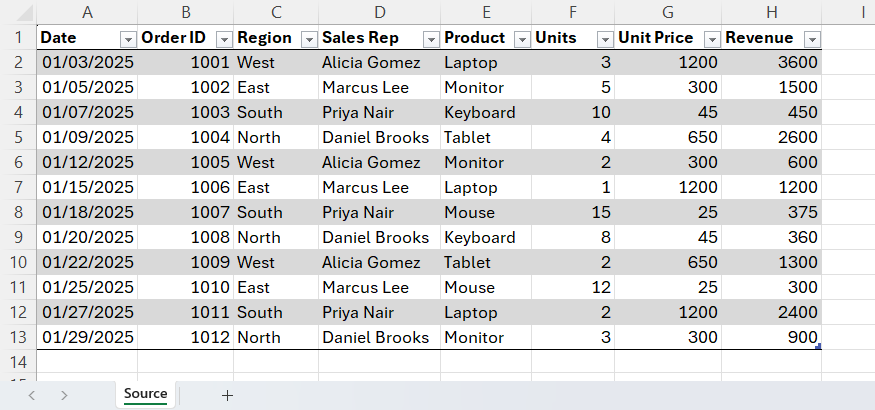
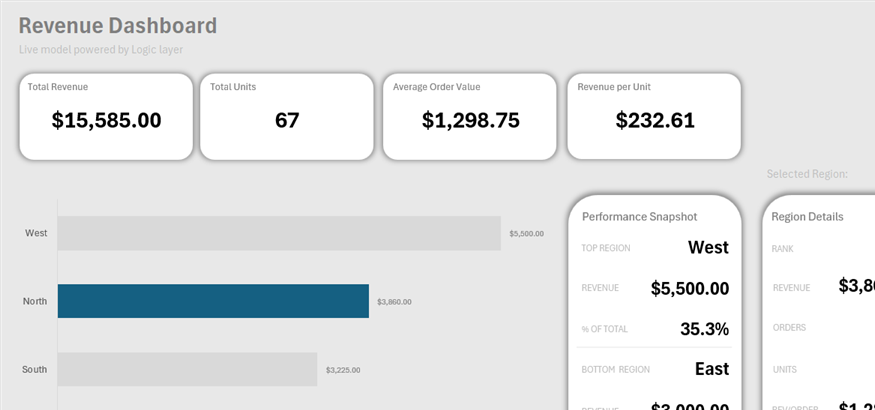
The fix (part 2): Use the three-tab rule, which borrows the principles of software separation of concerns to decouple your data from your design. The Source tab contains your raw data only, the Logic tab is the engine room where your named ranges, LET variables, and calculations are housed, and the Interface tab contains slicers, charts, and reports that pull dynamically from the Logic tab.
Stop the monthly copy-paste ritual
If your workflow involves opening three different workbooks, copying data, pasting values, and manually deleting empty rows, you’re simply wasting time and are likely to make a mistake. Manual manipulation is where legacy spreadsheets become dangerous. One accidental Ctrl+V in the wrong cell can lead to massive reporting errors.
Legacy lookups like VLOOKUP can also make your spreadsheets fragile. If someone inserts a column in your source data, VLOOKUP often breaks because it relies on a static column index number.
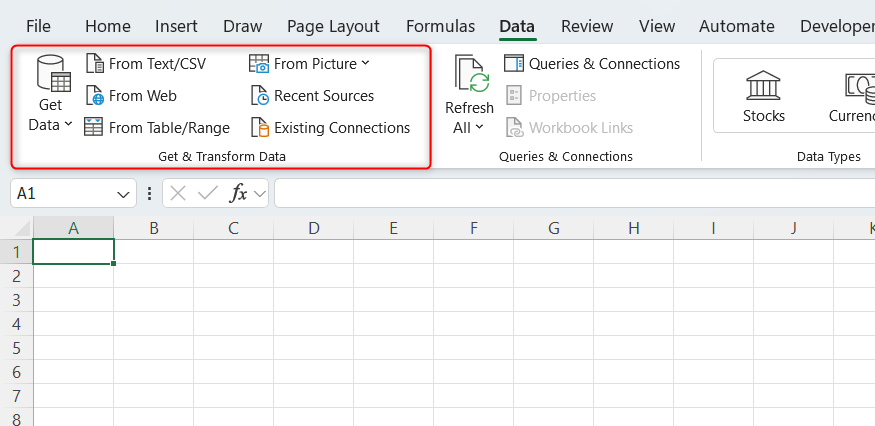
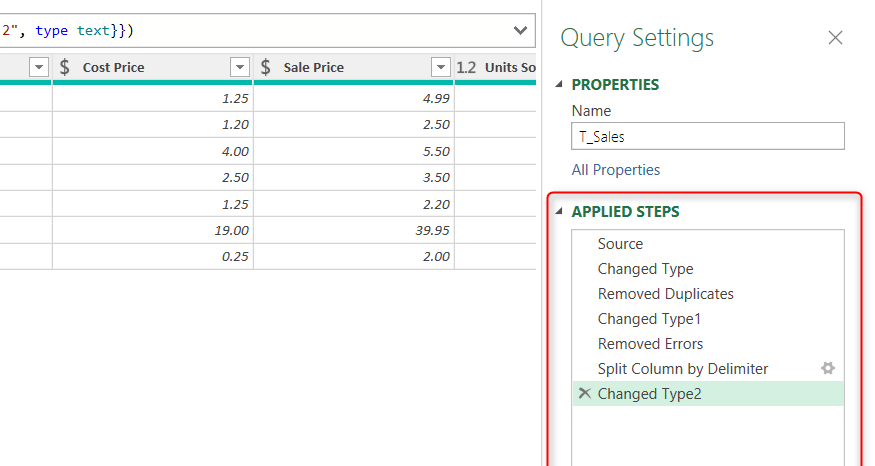
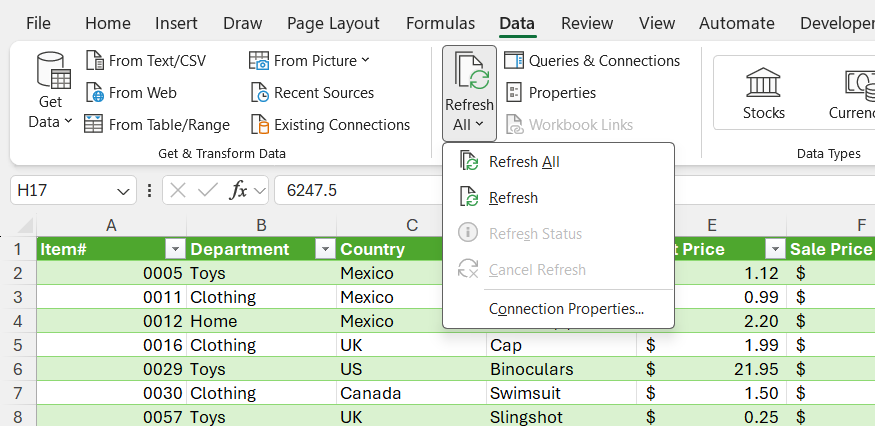
The fix (part 1): Use Power Query (found under the Data tab as Get & Transform Data). Once you set up your cleaning steps—filtering rows, splitting columns, merging tables, and so on—they stay in the Applied Steps pane and rerun every time you click Refresh in the Data tab of your workbook.
The fix (part 2): For simple lookups, switch to XLOOKUP. This is the modern successor to VLOOKUP and, unlike its predecessor, it doesn’t care if you add or remove columns—it stays locked onto the data you actually want.
Your cell ranges are static and unresponsive to new data
Turn your data into a dynamic object
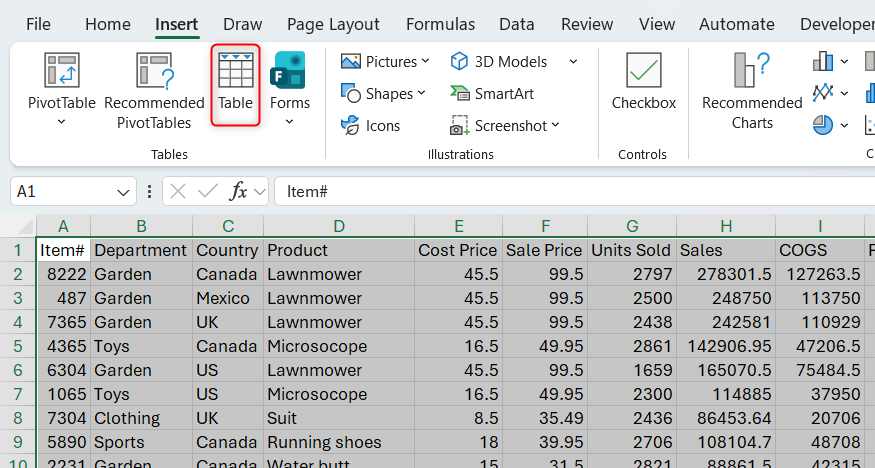
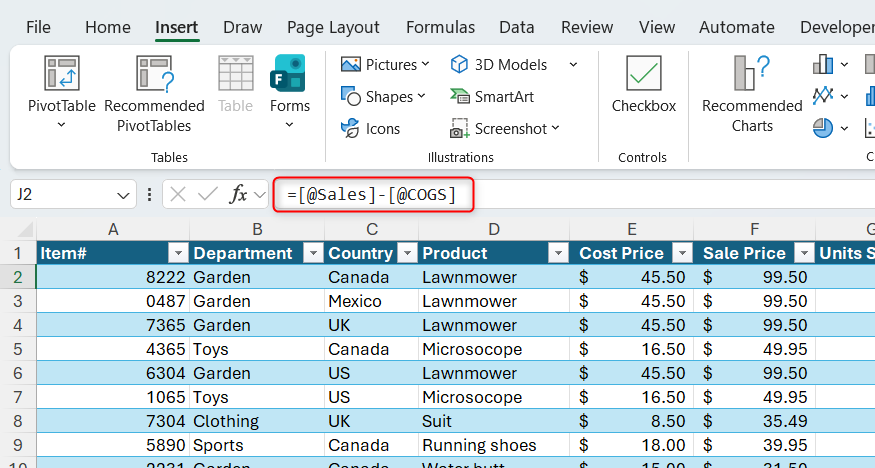
The fix (part 1): Convert your data ranges into a formatted Excel table (Ctrl+T). When you do this, you move from brittle cell references to structured references. Instead of your formulas looking like =SUM(A1:A500), they’ll start looking like =SUM(T_Sales[Total]). These references are self-expanding—because they’re linked to the table object rather than a fixed grid, every formula, chart, and PivotTable connected to that table updates automatically whenever new rows are added.
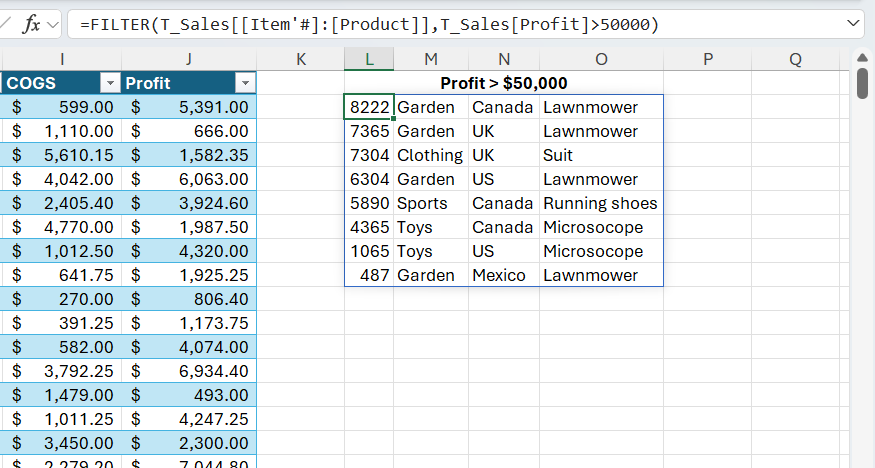
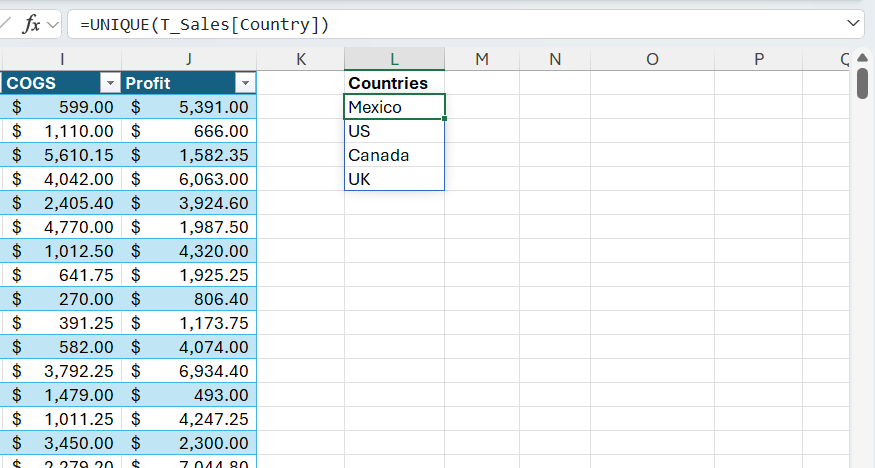
The fix (part 2): Use dynamic array functions (Excel for Microsoft 365 and Excel 2021 or later) like FILTER and UNIQUE. These functions spill results across the worksheet, automatically resizing to accommodate however much data exists without you ever having to drag the formula handle again.
Leave A Comment?